





Detailed Energy Audit
Overview
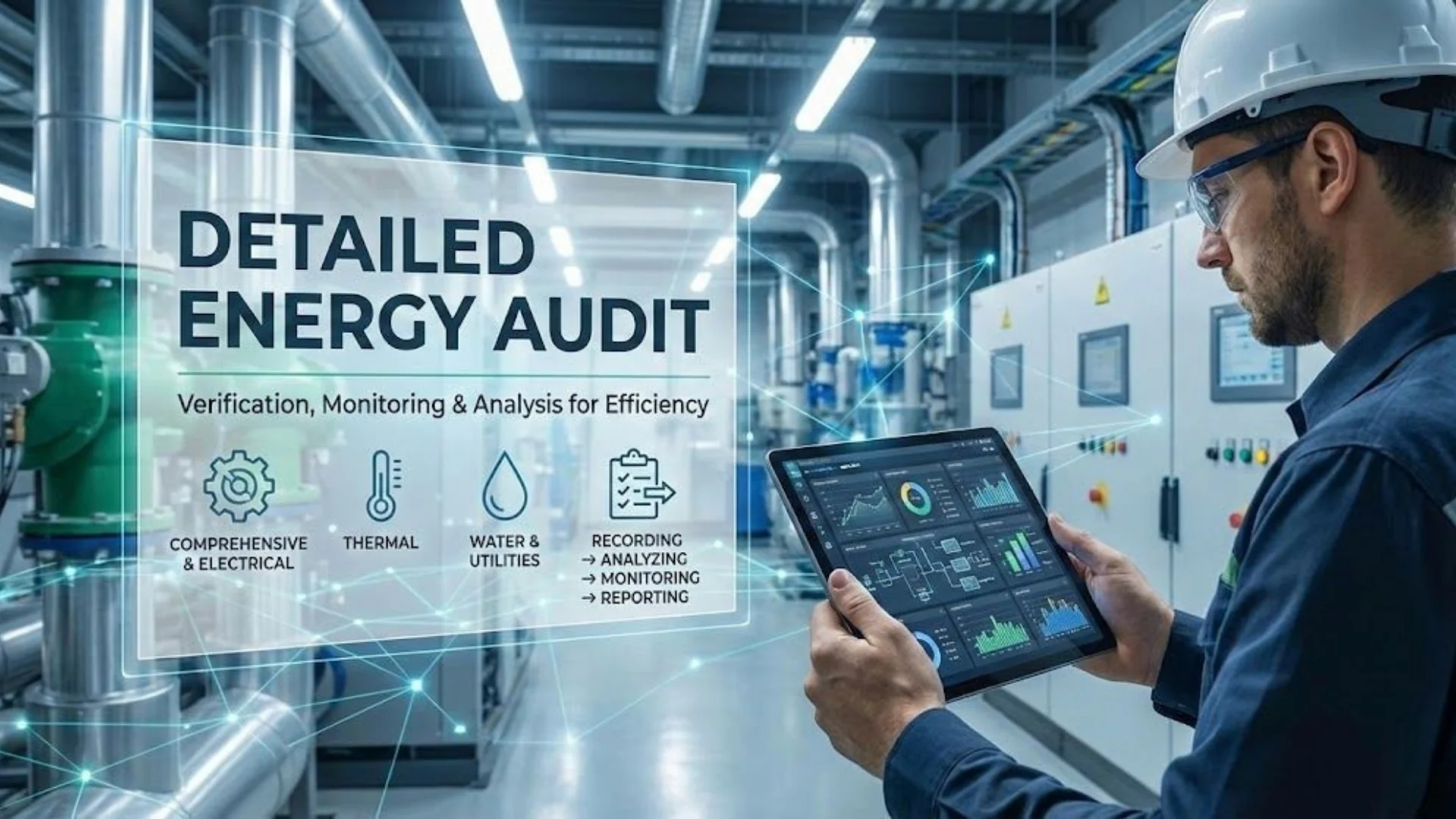
Energy Audit is defined as “the verification, monitoring and analysis of use of energy including submission of technical report containing recommendations for improving energy efficiency with cost benefit analysis and an action plan to reduce energy consumption”. It builds on the principle "you can't manage what you don't measure". It essentially combines the principles of energy use and statistics.
Type of Detailed Energy Audit
Essential Elements of Energy Auditing
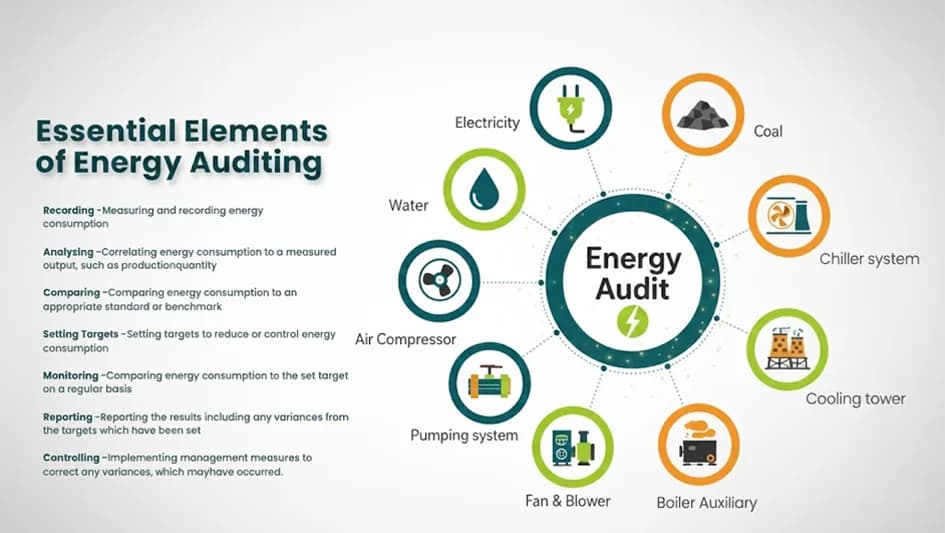
Essential Elements of Energy Auditing
Scope of Work
Analysis of the Electricity bills
- Analysis of the different section of the electricity bills.
- Study of the fixed charges and variable charges and comments on the same.
- Calculation of the Specific Energy Consumption and comment on the same.
- Calculation of the load factor of the plant.
- Comments on the contract demand and suggestions to reduce them.
Electrical Distribution Networks
- Transformers & Distribution Network:
- Performance evaluation of the transformers.
- Studies of rationalization of transformers if more than two are present.
- Carrying out 24 hr load survey for the electrical network and remarks on the quality of the power supply.
- Cables:
- Calculation of the cable losses for the major loads.
- Suggesting methods to reduce the losses and optimizing their use.
Power factor
- Measurement of power factor at PCC, MCC and the Major load Centers.
- Suggesting methods to improve the present power factor.
Metering and Monitoring Status
- Review of existing metering system of the plant.
- Suggesting need and methods to improve the metering system, if required.
Electrical Equipment’s
- Measurement of all the major electrical parameters viz. voltage, current, KW, Power factor, frequency of all major electrical equipment’s.
- Determining the loading of the major motive loads of the plant.
- Calculation of Specific Energy Consumption for the major loads.
- Suggesting methods to eradicate abnormalities if any.
Explore Related Services
View All Services →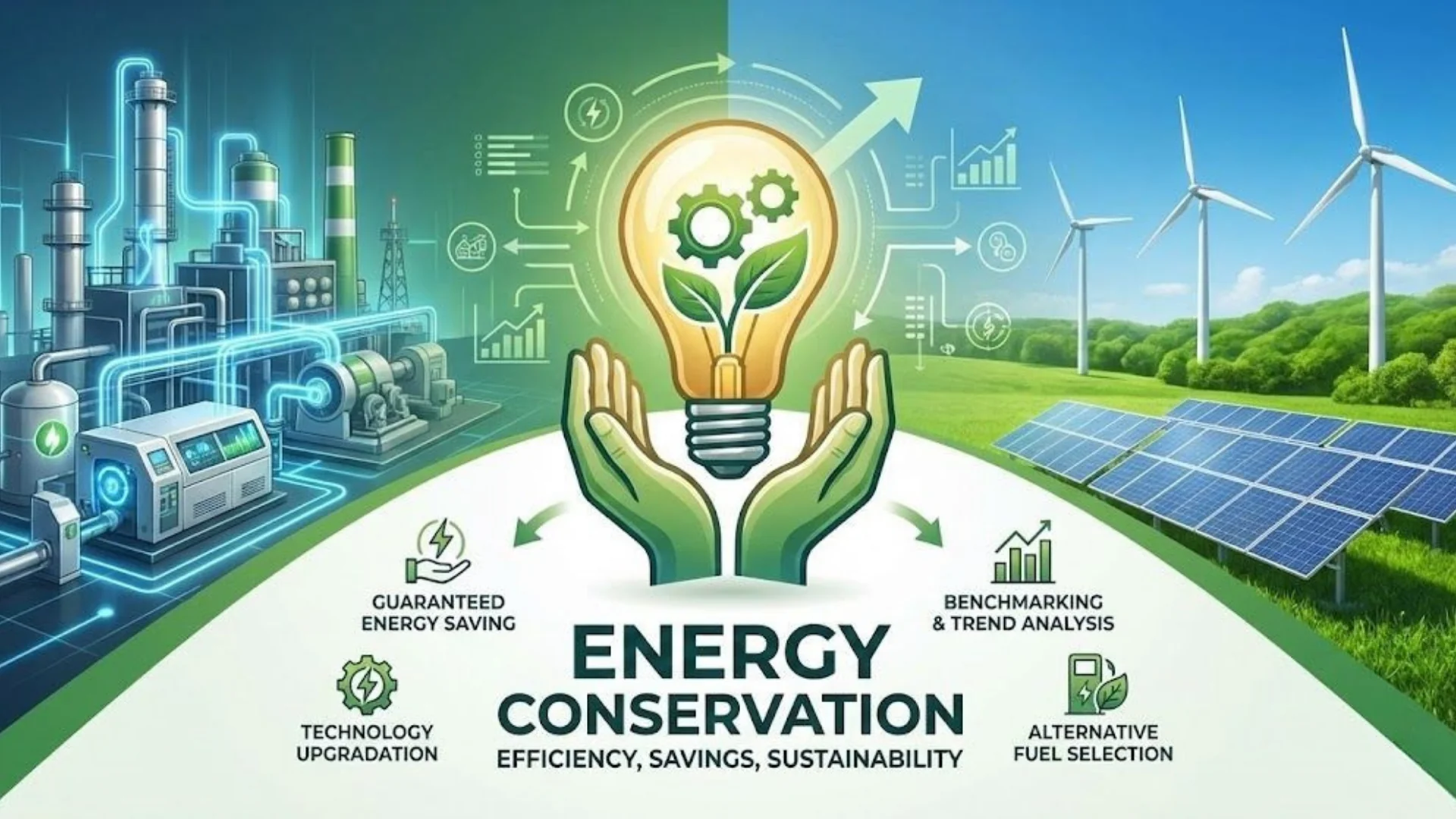
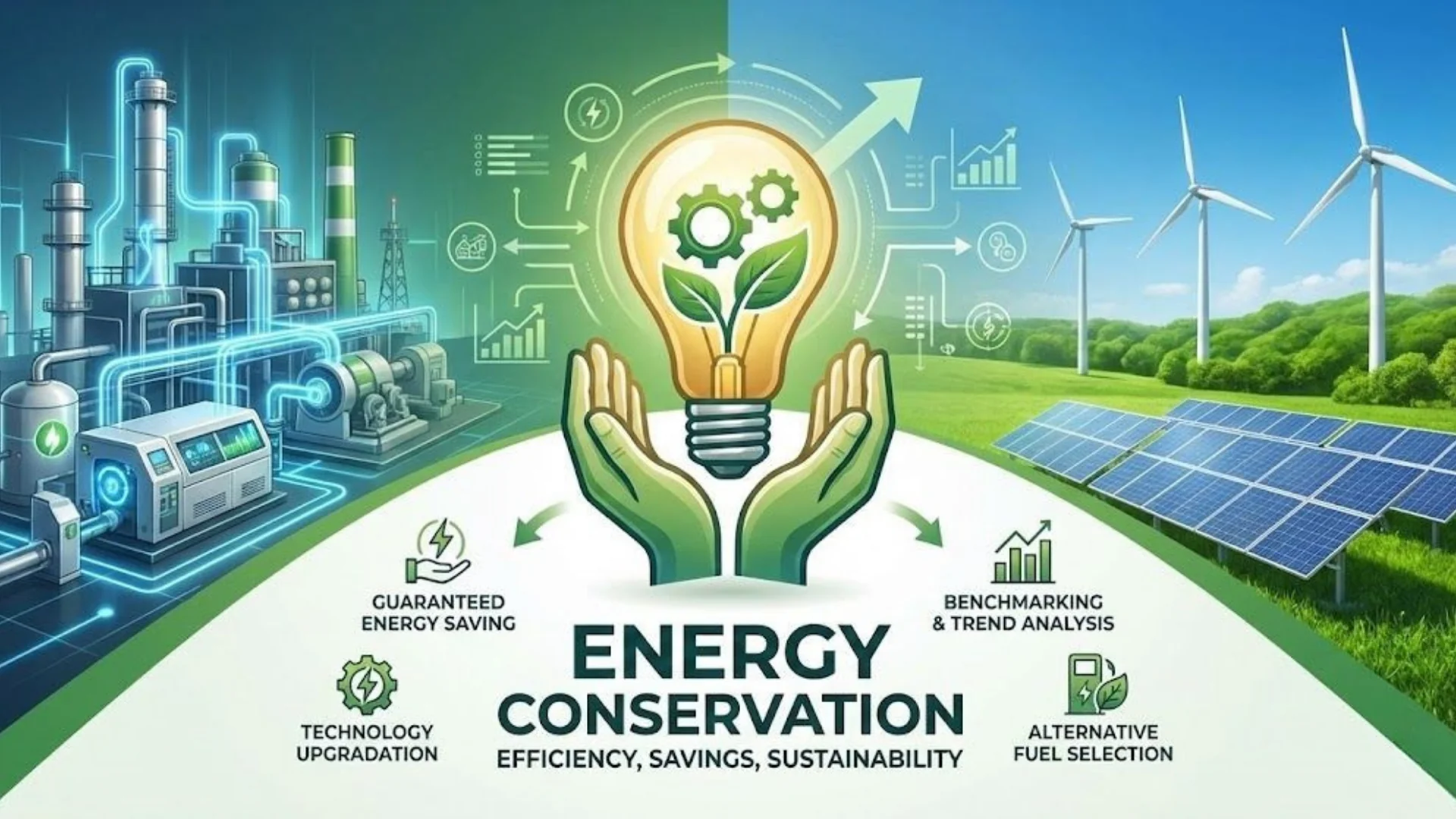
Energy conservation is the practice of reducing energy consumption through efficient energy management and the optimal use of resources. This can be achieved by using energy more efficiently to deliver the same level of performance or by minimizing unnecessary energy usage. At Limbaja Energy, we provide Energy Conservation Services in Gujarat for industries across Gujarat and India, offering energy-saving solutions, energy efficiency consulting, and industrial energy optimization services. Our expert team helps businesses reduce operating costs, improve equipment performance, and achieve long-term energy efficiency through practical and sustainable solutions.
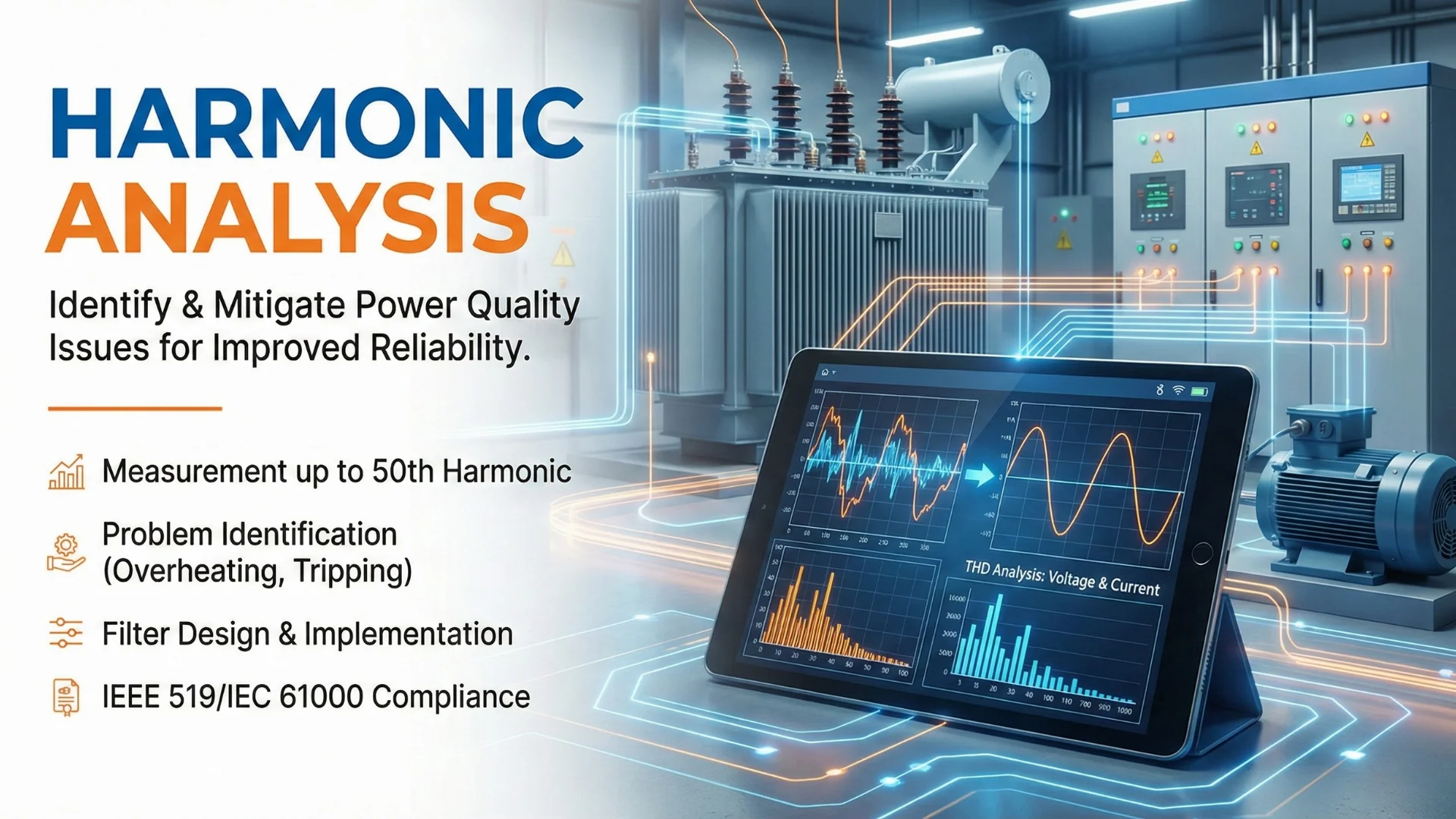
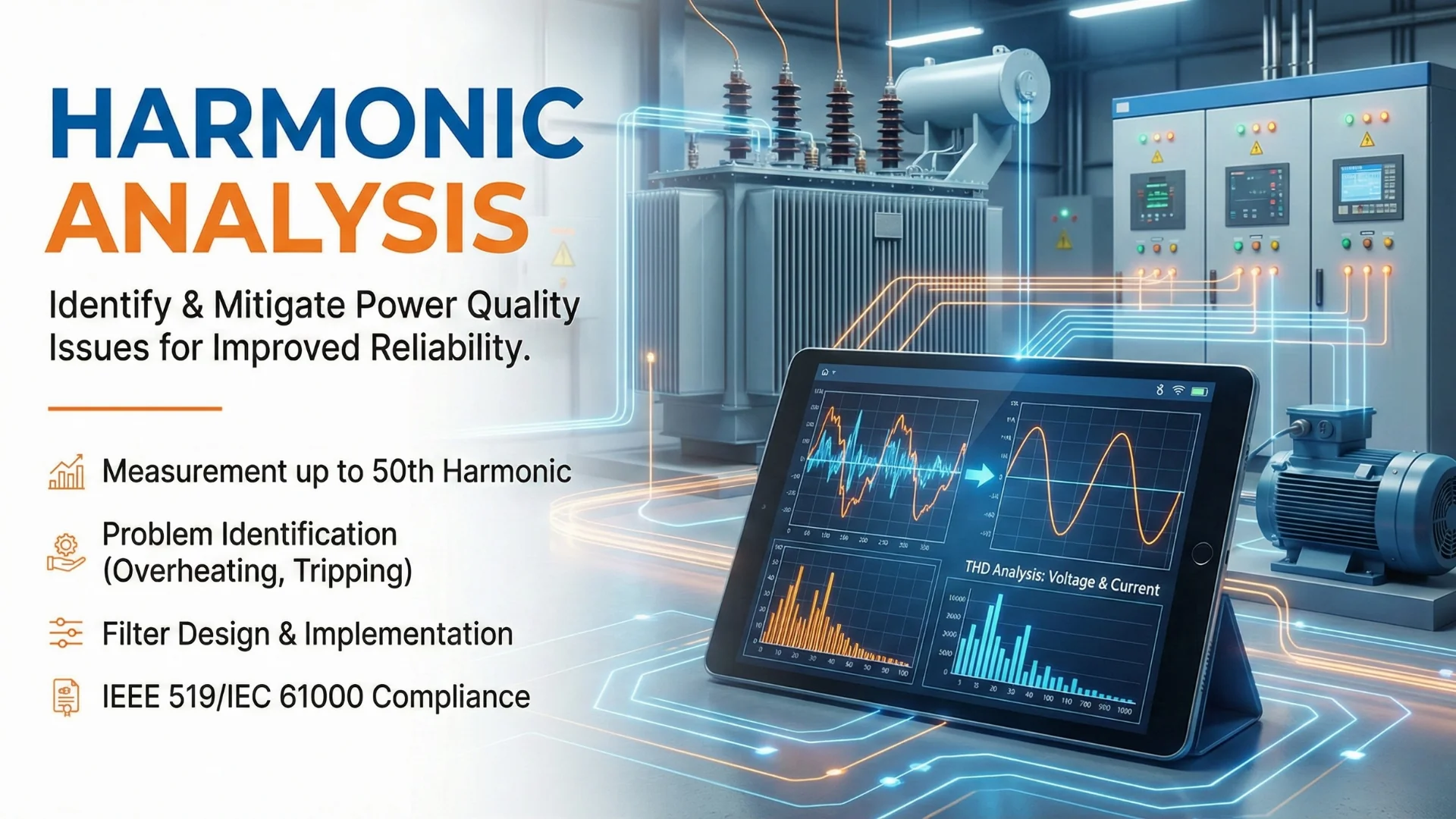
Harmonic analysis is a technique used to study and analyze the harmonic components in electrical power systems. It helps identify the presence and impact of harmonic currents and voltages, which are integer multiples of the fundamental frequency and are commonly generated by non-linear loads such as power electronics, variable speed drives, and certain lighting systems. At Limbaja Energy, we provide Harmonic Analysis Services in Gujarat for industries across Gujarat and India. Our Power Quality Analysis and Electrical Harmonic Study Services help identify harmonic distortion, improve power quality, protect sensitive equipment, and enhance the reliability and efficiency of electrical systems. We also recommend effective harmonic mitigation solutions to reduce power losses and ensure stable system performance.
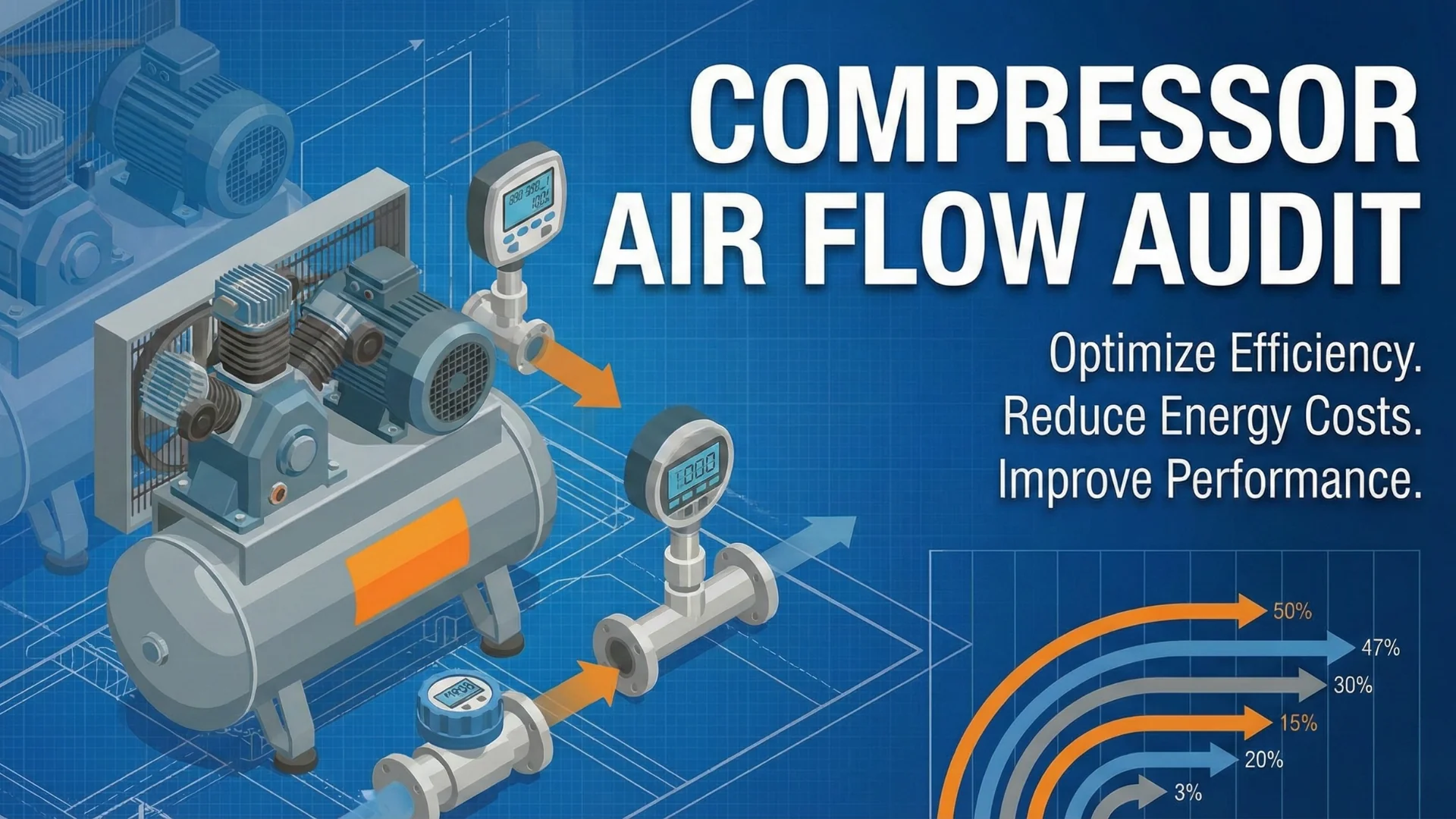
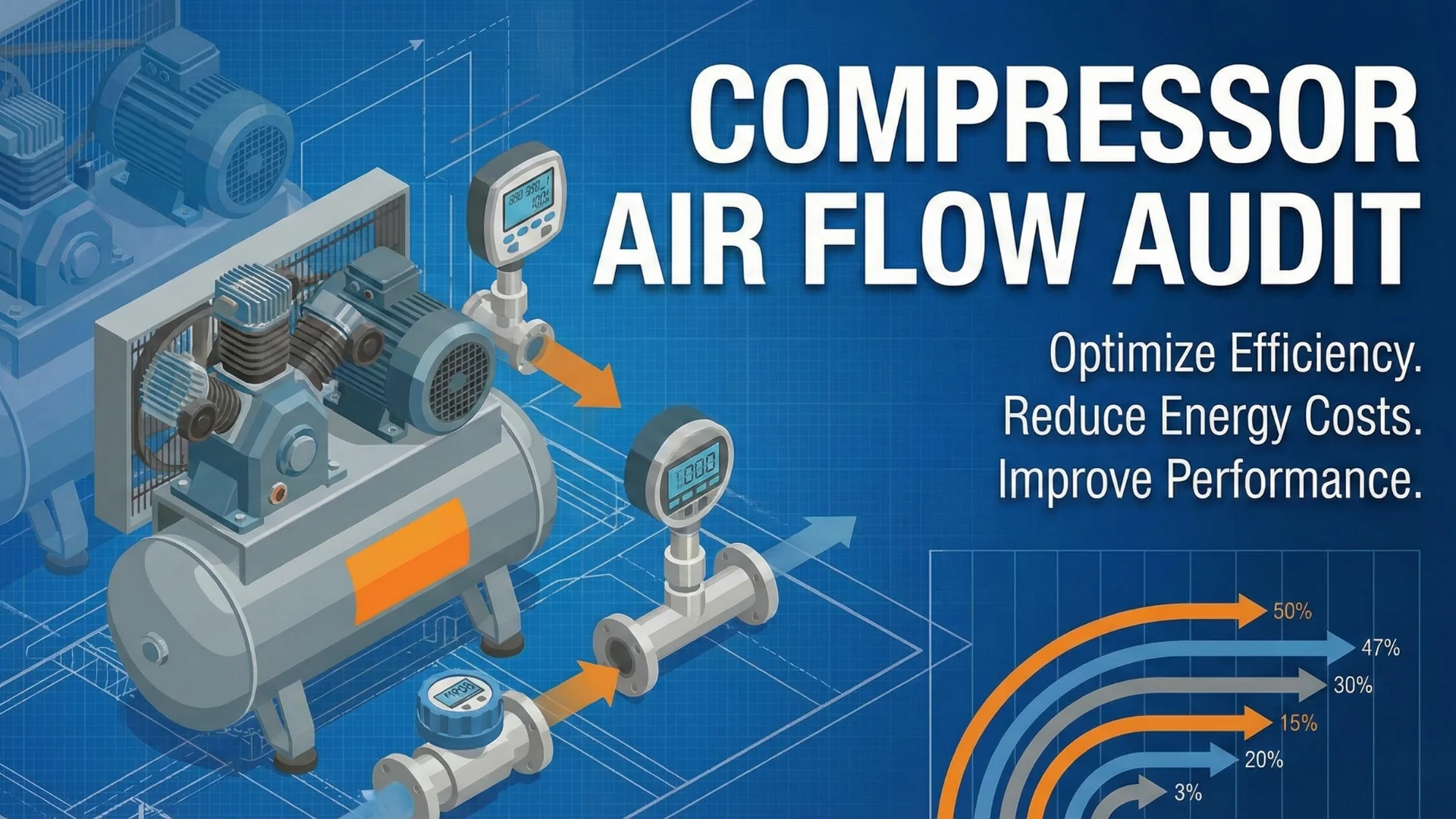
A compressed air audit helps identify system inefficiencies, reduce energy costs, and improve the overall performance of compressed air systems. Many industrial air compressors operate inefficiently due to air leaks, artificial demand, pressure losses, and incorrect operating pressures, resulting in unnecessary energy consumption and increased operating costs. At Limbaja Energy, we provide Compressor Audit Services in Gujarat for industries across Gujarat and India. Our Compressed Air Energy Audit Services include compressor efficiency assessments, performance analysis, and compressed air system optimization to identify energy-saving opportunities, improve system reliability, reduce power consumption, and maximize the efficiency of industrial compressed air systems.
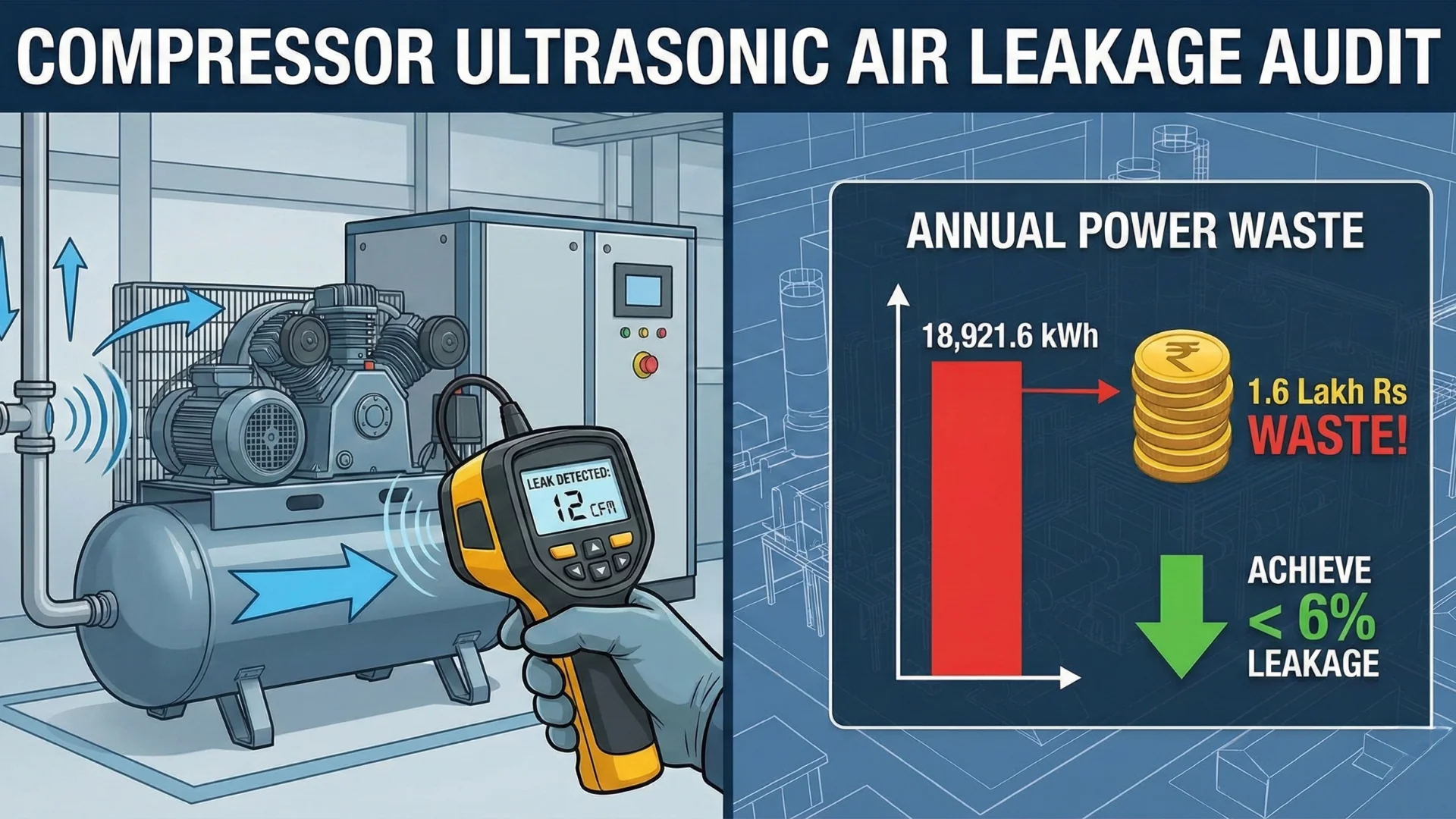
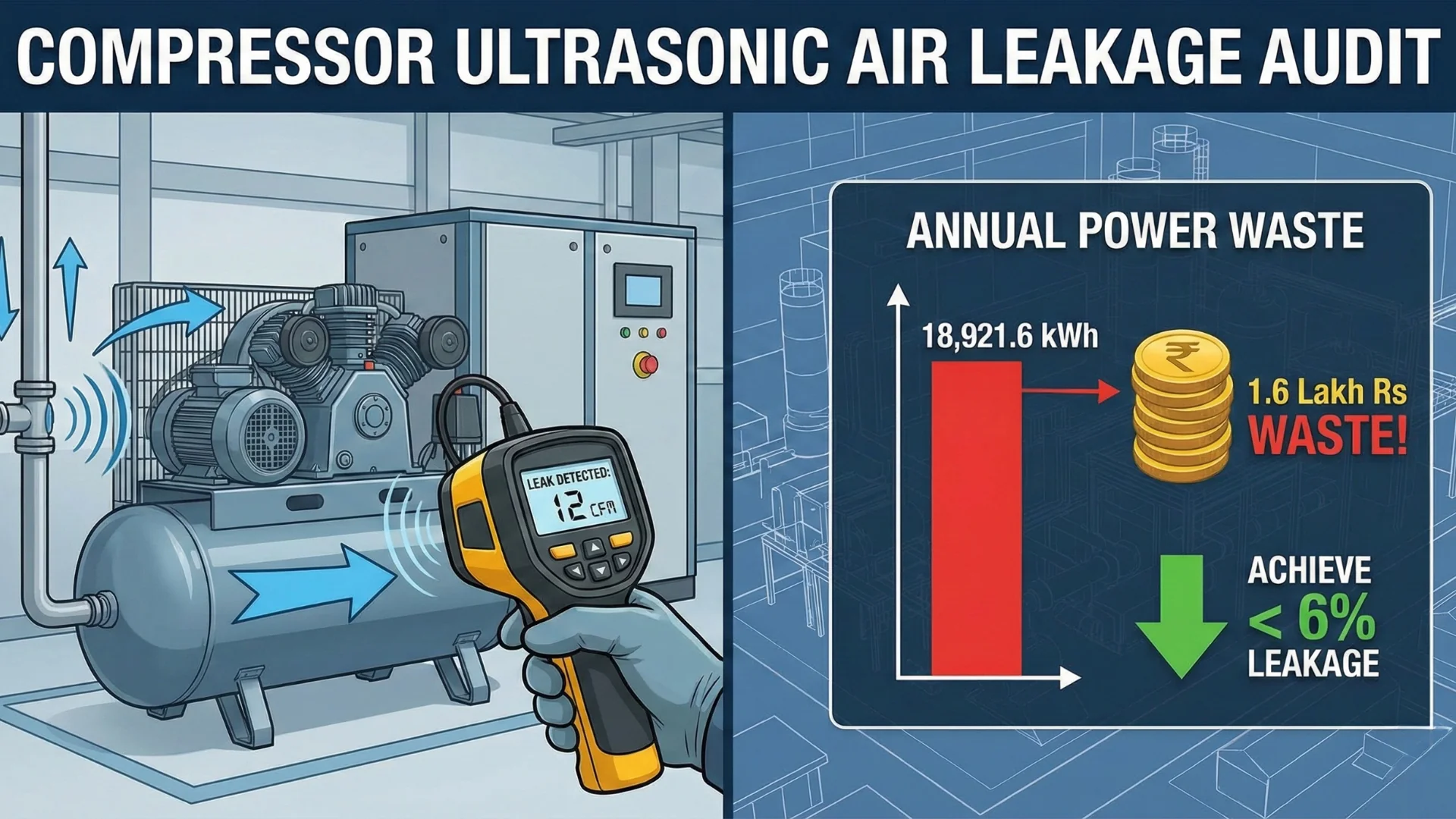
We provide Compressed Air Leakage Audit Services for industries across Gujarat and India to detect air leaks, reduce energy losses, and improve compressor system efficiency. Our Compressed Air Leakage Audit Services in Gujarat, Compressed Air Audit Services, and Industrial Air Leakage Audit Services help optimize compressed air systems, lower operating costs, and maximize overall energy savings. As a trusted provider of Leakage Audit Services in Gujarat and India, we deliver accurate leak detection and practical solutions for enhanced system performance. Have a look!