






Thermography Study
Overview
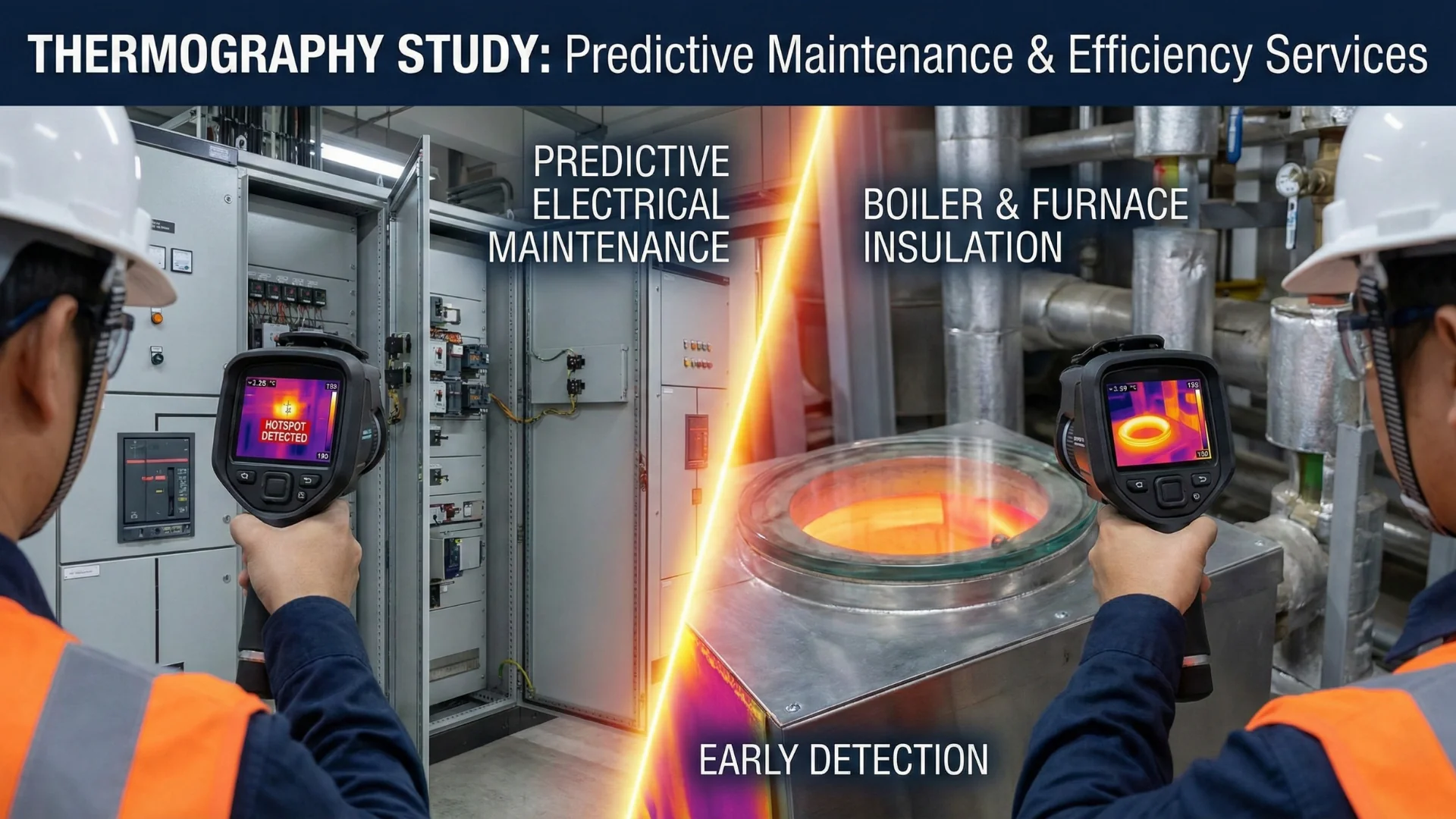
Thermography Study is used for predictive maintenance and early fault detection in electrical and mechanical systems. Many problems begin with an increase in temperature, and infrared thermography allows potential issues to be identified before they lead to equipment failure or costly downtime. At Limbaja Energy, we provide Thermography Services in Gujarat for industries across Gujarat and India, including Infrared Thermography Services, Electrical Thermography Inspections, Thermal Imaging Inspection Services, and Electrical Panel Thermography. Our thermal imaging inspections help improve equipment reliability, enhance safety, support preventive maintenance, and reduce unplanned breakdowns without disrupting operations.
Scope of Work
Type of Thermography Service
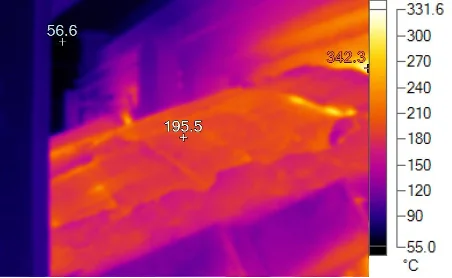
Glass Furnace Port Top
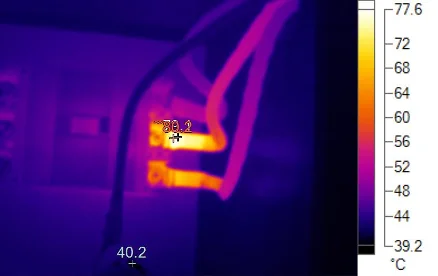
Electrical Panel
As physical contact with the system is not required, inspections can be made under full operational conditions resulting in no loss of production or downtime
Explore Related Services
View All Services →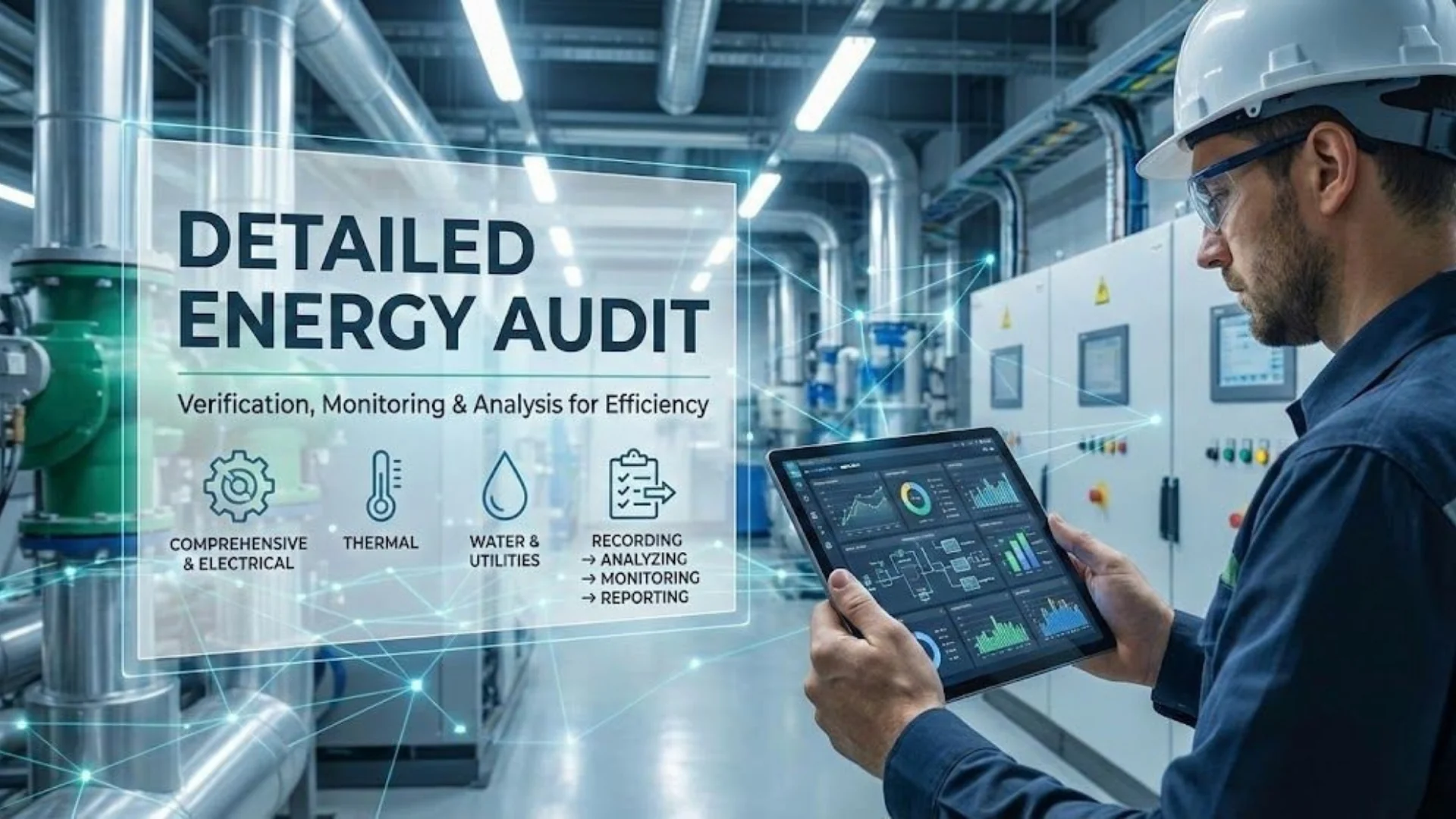
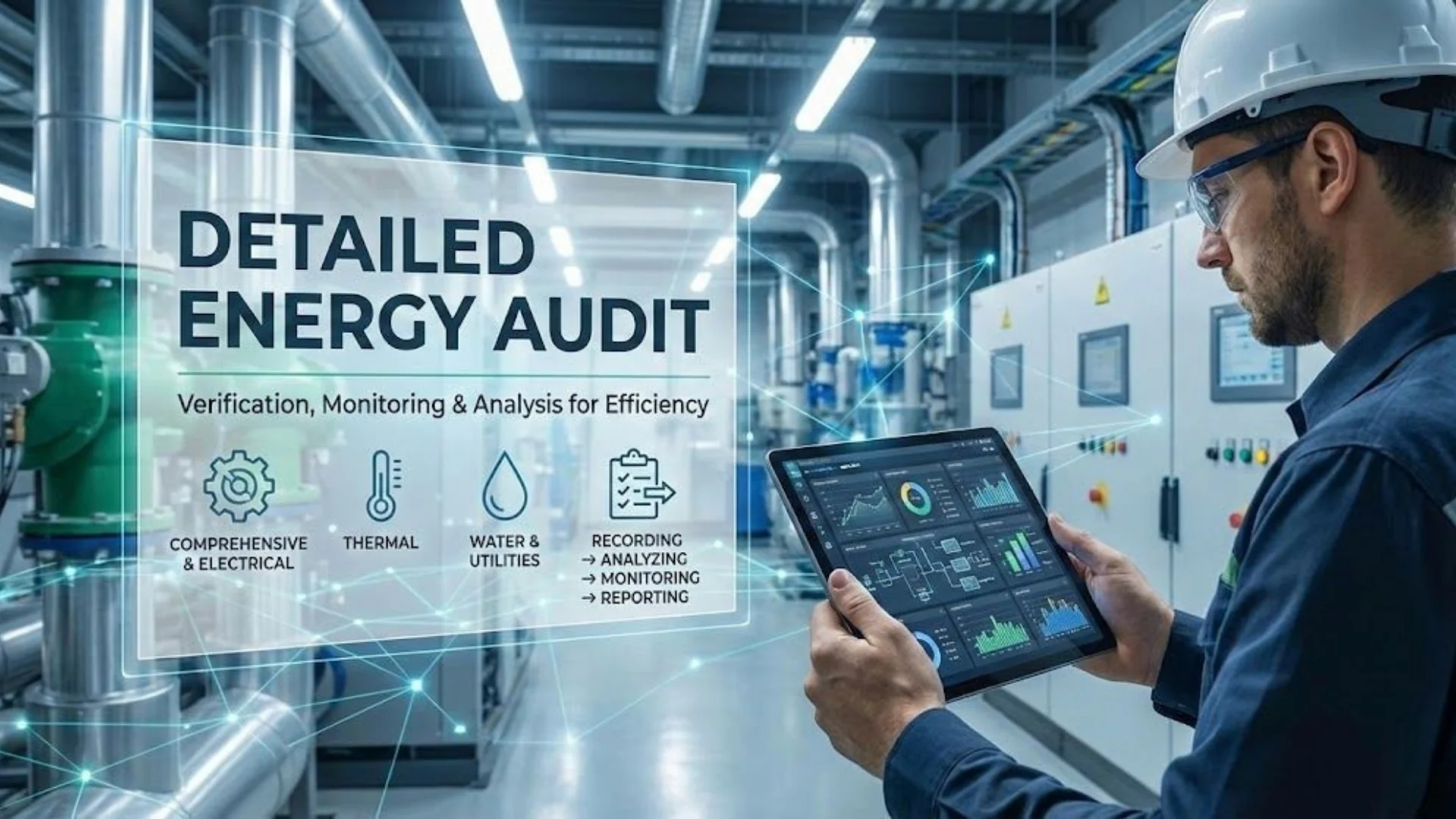
Energy Audit is defined as “the verification, monitoring and analysis of use of energy including submission of technical report containing recommendations for improving energy efficiency with cost benefit analysis and an action plan to reduce energy consumption”. It builds on the principle "you can't manage what you don't measure". It essentially combines the principles of energy use and statistics.
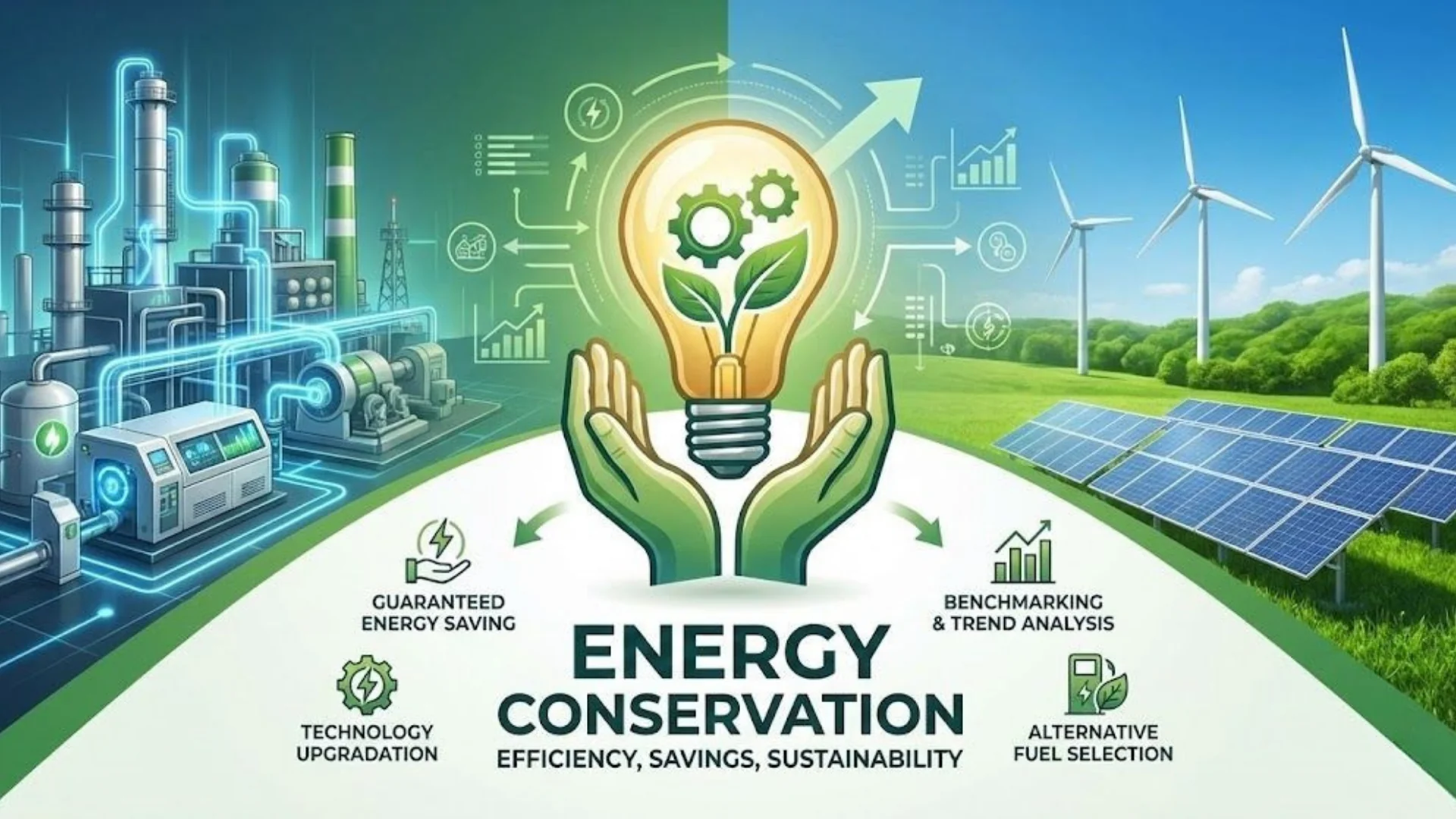
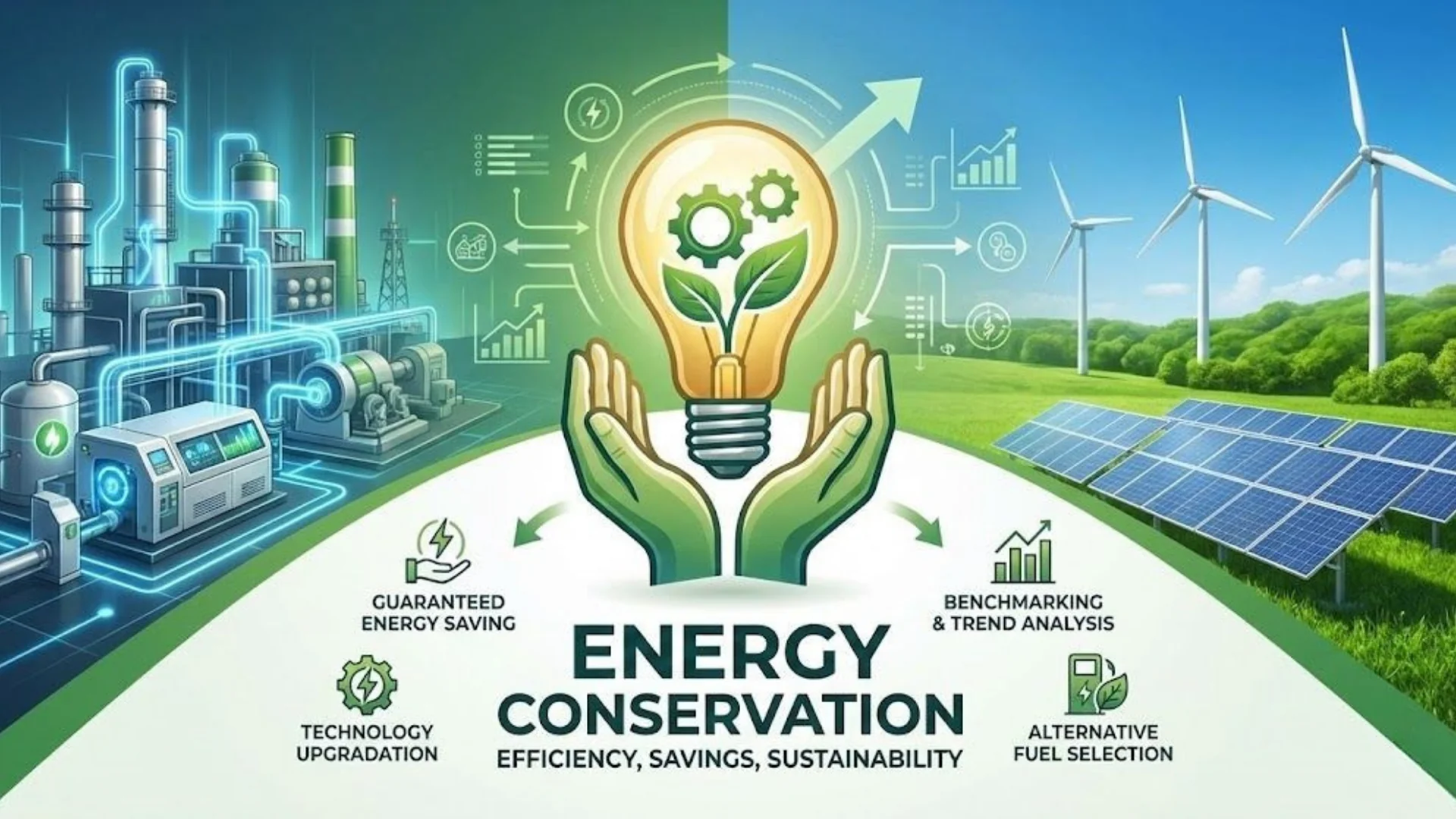
Energy conservation is the practice of reducing energy consumption through efficient energy management and the optimal use of resources. This can be achieved by using energy more efficiently to deliver the same level of performance or by minimizing unnecessary energy usage. At Limbaja Energy, we provide Energy Conservation Services in Gujarat for industries across Gujarat and India, offering energy-saving solutions, energy efficiency consulting, and industrial energy optimization services. Our expert team helps businesses reduce operating costs, improve equipment performance, and achieve long-term energy efficiency through practical and sustainable solutions.
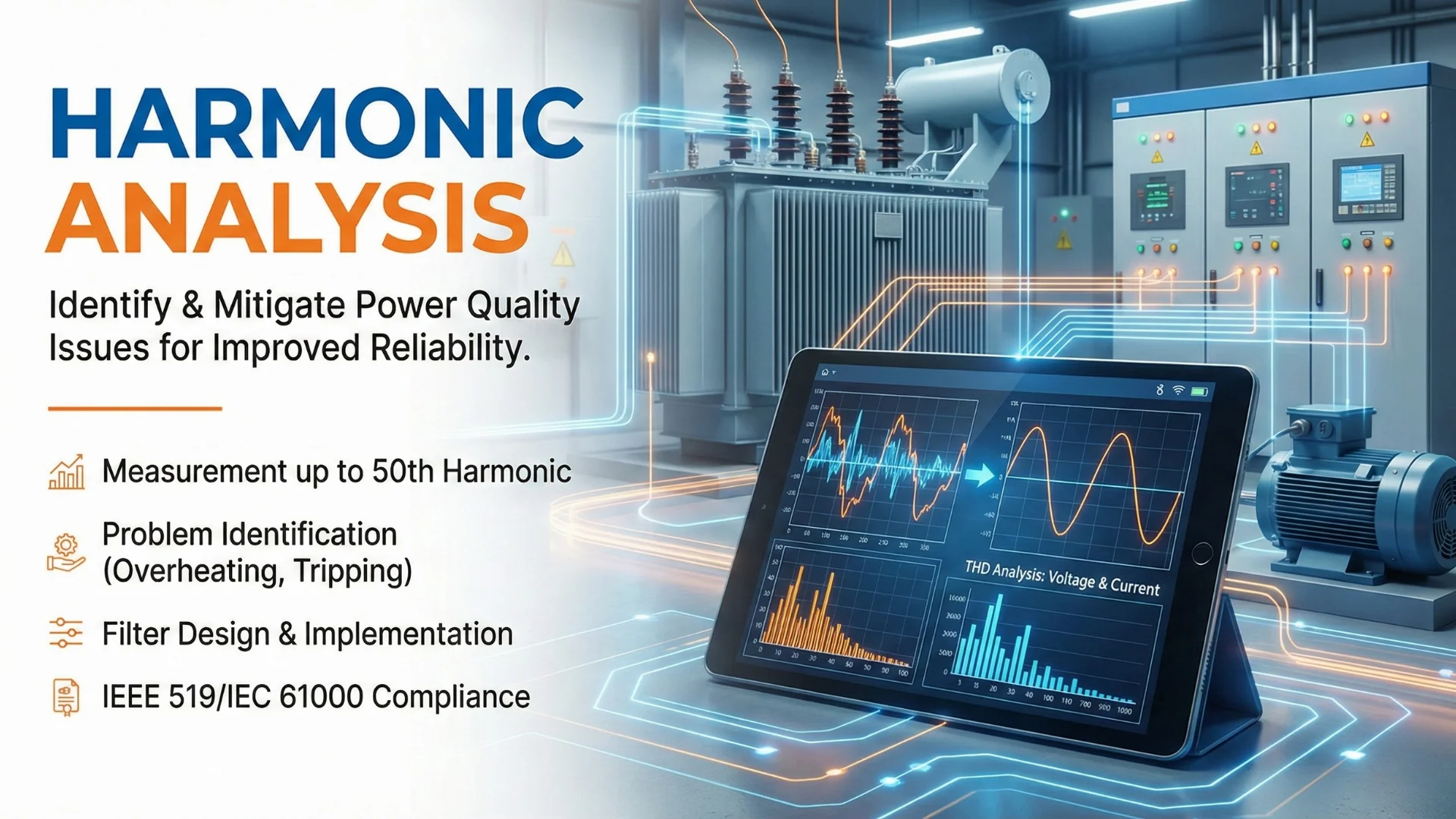
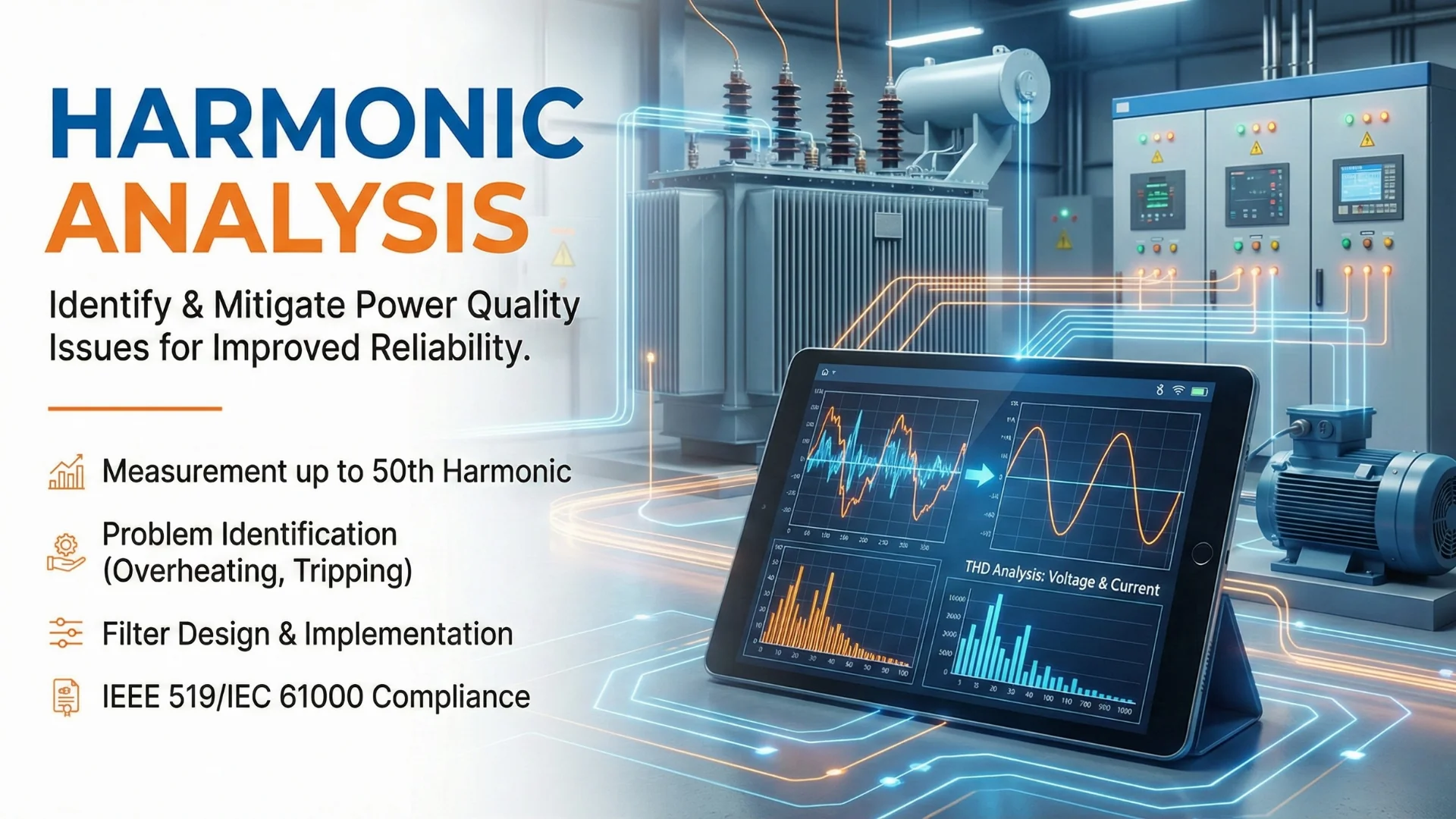
Harmonic analysis is a technique used to study and analyze the harmonic components in electrical power systems. It helps identify the presence and impact of harmonic currents and voltages, which are integer multiples of the fundamental frequency and are commonly generated by non-linear loads such as power electronics, variable speed drives, and certain lighting systems. At Limbaja Energy, we provide Harmonic Analysis Services in Gujarat for industries across Gujarat and India. Our Power Quality Analysis and Electrical Harmonic Study Services help identify harmonic distortion, improve power quality, protect sensitive equipment, and enhance the reliability and efficiency of electrical systems. We also recommend effective harmonic mitigation solutions to reduce power losses and ensure stable system performance.
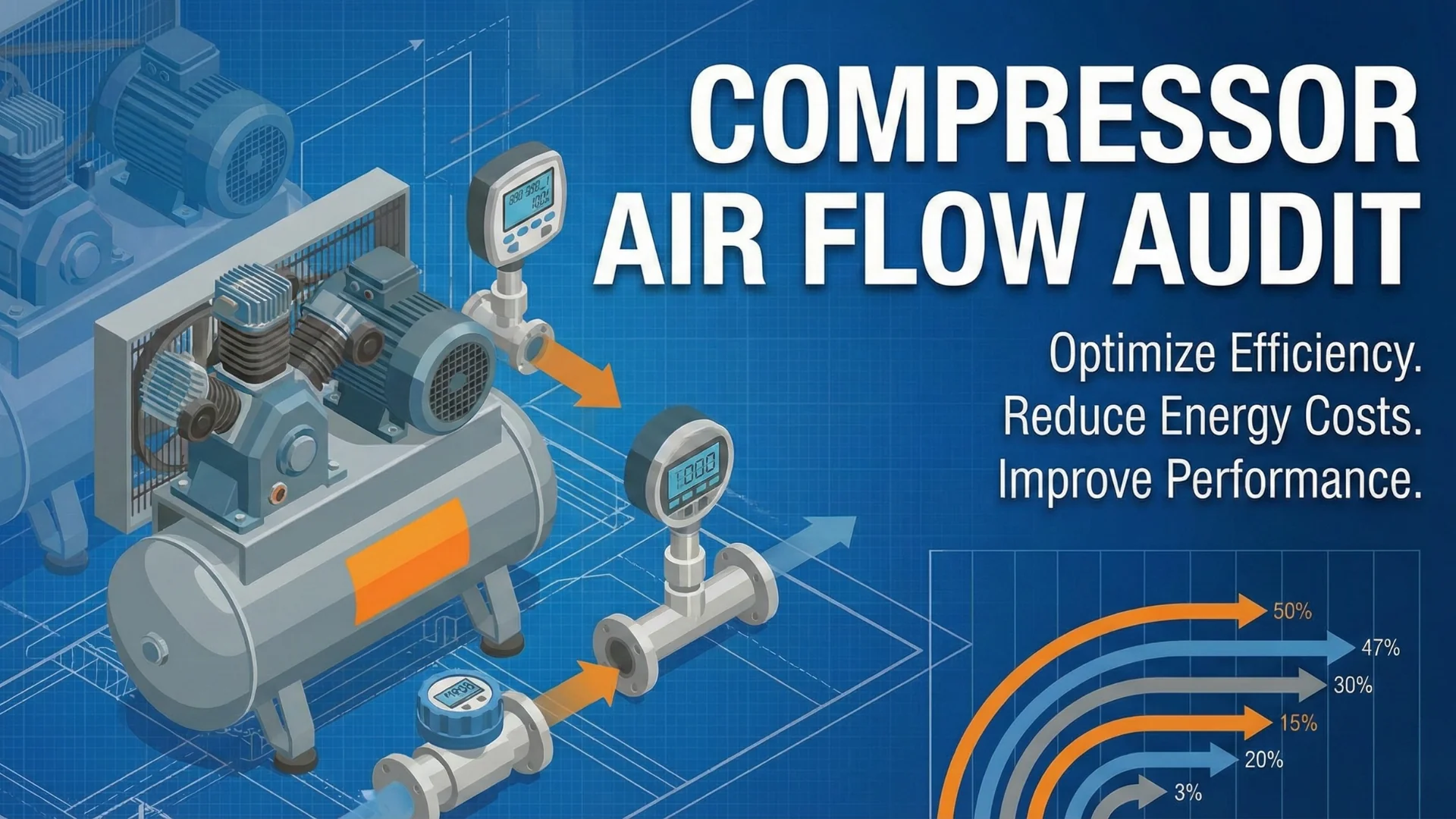
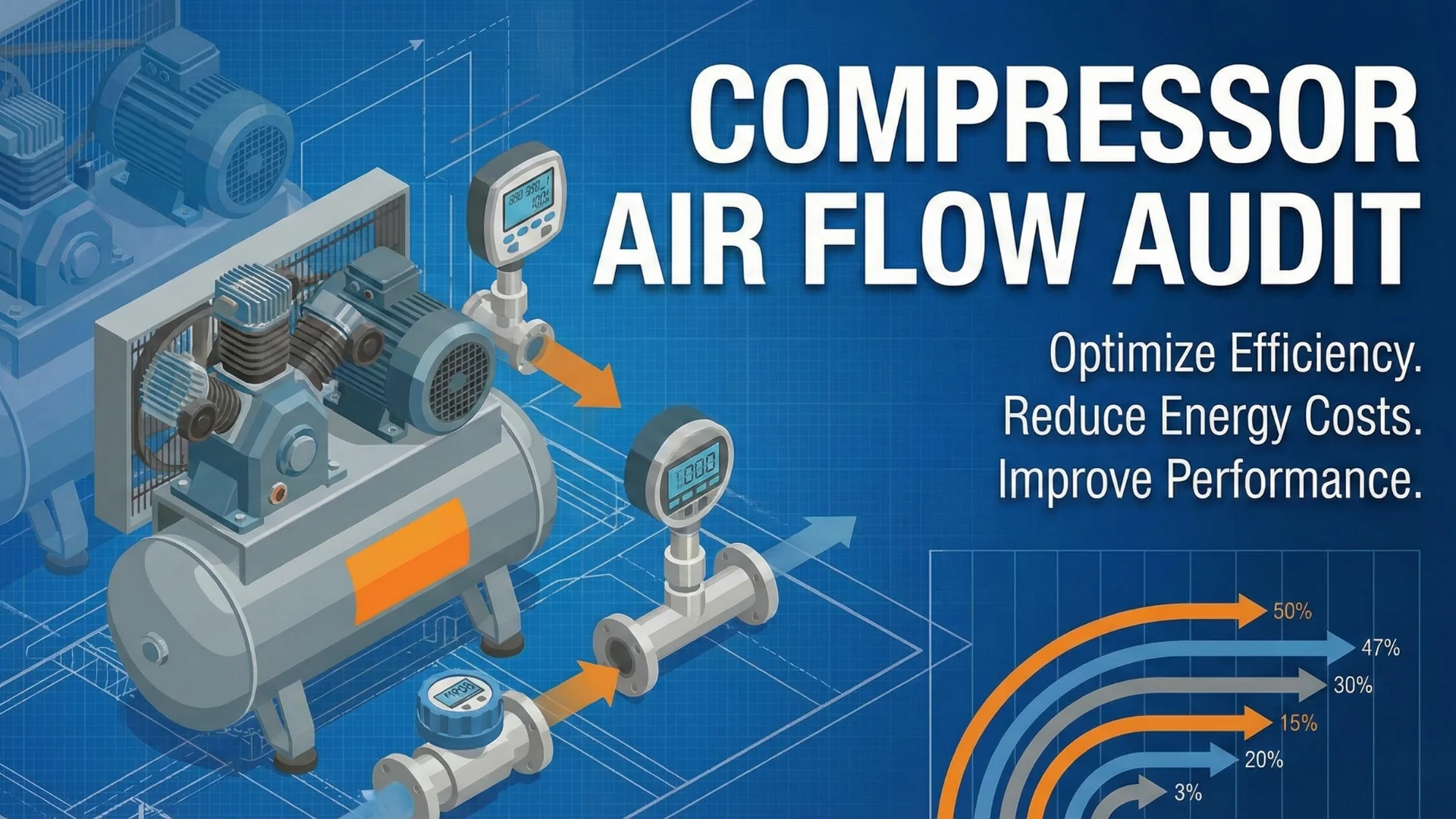
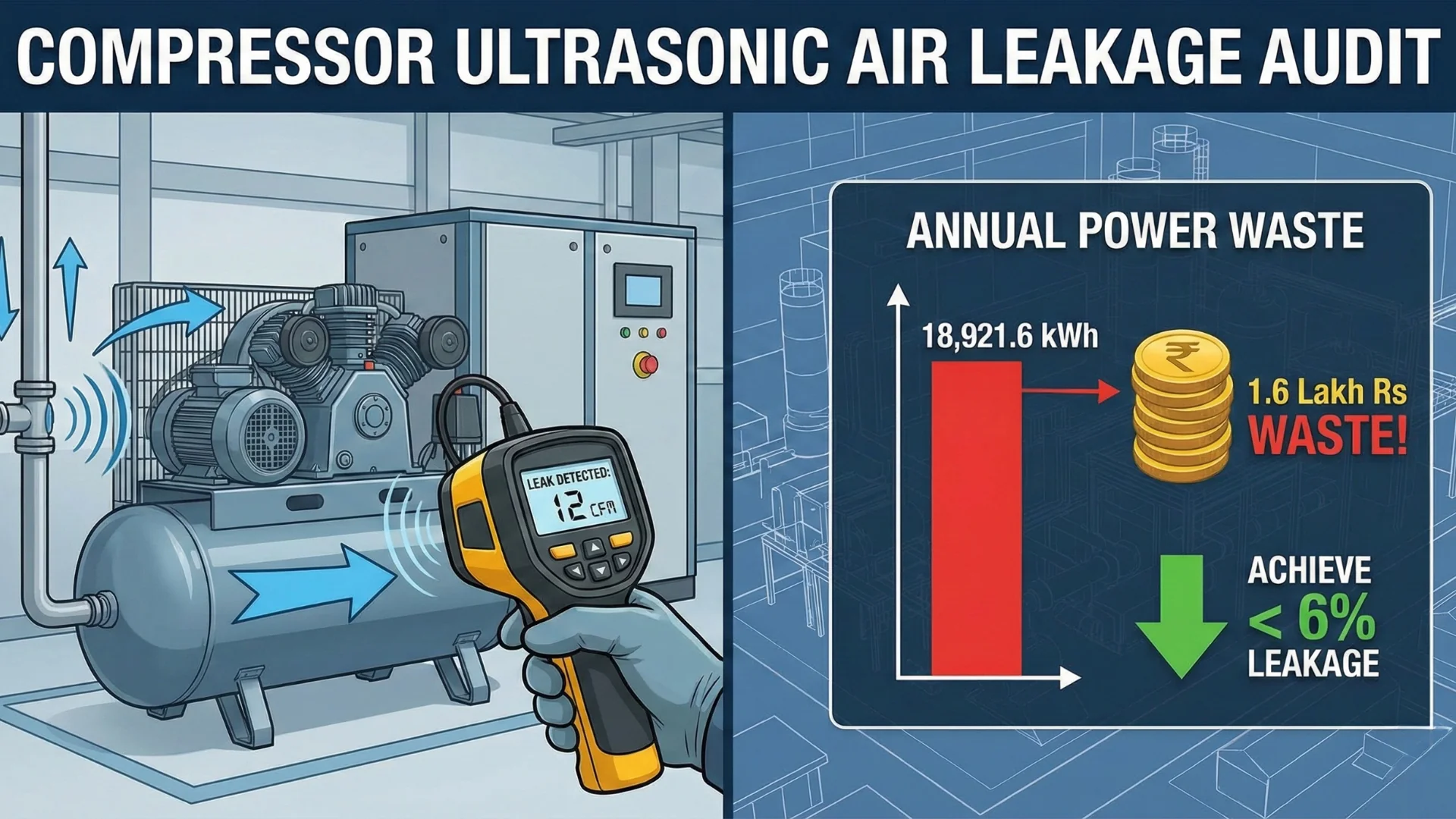
A compressed air audit helps identify system inefficiencies, reduce energy costs, and improve the overall performance of compressed air systems. Many industrial air compressors operate inefficiently due to air leaks, artificial demand, pressure losses, and incorrect operating pressures, resulting in unnecessary energy consumption and increased operating costs. At Limbaja Energy, we provide Compressor Audit Services in Gujarat for industries across Gujarat and India. Our Compressed Air Energy Audit Services include compressor efficiency assessments, performance analysis, and compressed air system optimization to identify energy-saving opportunities, improve system reliability, reduce power consumption, and maximize the efficiency of industrial compressed air systems.