




Flow Measurement
Overview
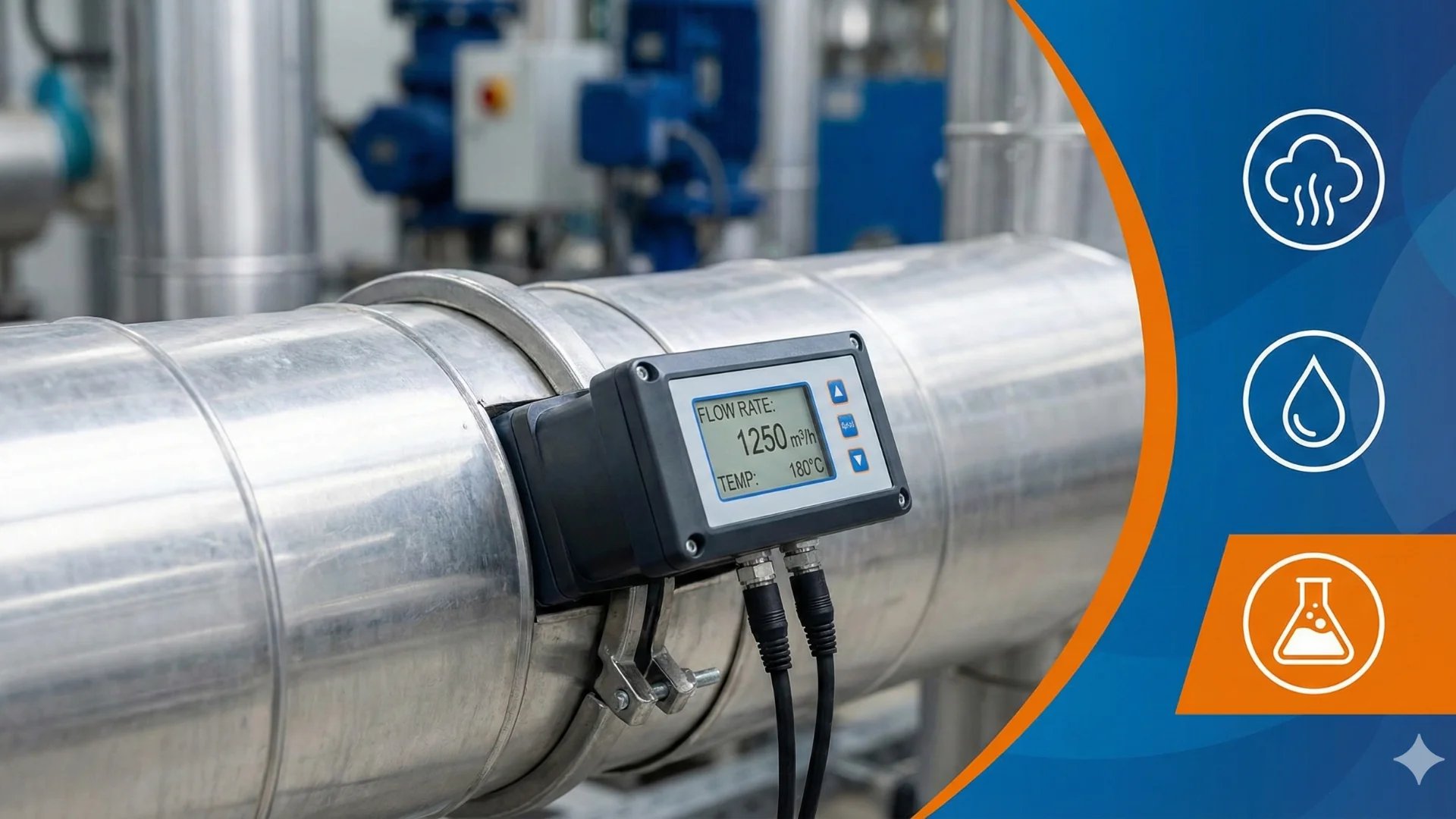
Accurate flow measurements are critical for utility calculations, process control applications, and efficient industrial operations. Flow measurement is also valuable for monitoring, analyzing, and troubleshooting internal processes at various stages, helping industries improve system performance and operational efficiency. Flow measurement technology can accurately measure the flow of virtually any fluid, including liquids, gases, and steam, regardless of the flow direction (bi-directional) and across an extremely wide measuring range. Due to its practical advantages, external flow measurement using clamp-on ultrasonic transducers has become a standard measurement technique across a wide range of industries and applications. At Limbaja Energy, we provide Flow Measurement Services in Gujarat for industries across Gujarat and India. Our Industrial Flow Measurement Services use advanced clamp-on ultrasonic technology that can be installed within minutes without shutting down operations, eliminating costly downtime. This technology works efficiently with gases at both high and low pressures in metal pipes and most other pipe materials. Our Flow Measurement Audit Services, Process Flow Analysis Services, and Flow Meter Calibration Services help industries improve measurement accuracy, optimize processes, enhance energy efficiency, and support reliable industrial operations.
Principle
In general, ultrasonic flow meters work by transmitting ultrasonic waves and tracking how long it takes that sound to return to the unit. Clamp-on ultrasonic systems determine the volumetric flow rate according to the transit-time difference method. Since the ultrasonic signal that is irradiated into the pipe is carried by the fluid flowing inside, a time delay occurs between the acoustic transit time both with and against the flow of direction. This time delay can be measured very accurately. The transmitter calculates the volumetric flow rate based on the parameters input for the pipe geometry and the physical properties of the fluid stored in the internal database.
Type of Flow Measuring Service Provide
Steam Flow Measurement
- Temperature Range: Flow measurement of saturated steam up to max. 180 °C
- Pipe Size: 30mm to 360 mm
Thermic Fluid Heater Flow Measurement
- Temperature Range: up to 240 °C
- Pipe Size: 15mm to 1000 mm
Boiler Feed Water Flow Measurement
- Temperature Range: up to 240 °C
- Pipe Size: 15mm to 1000 mm
Process Condensate Water Flow Measurement
- Temperature Range: up to 240 °C
- Pipe Size: 15mm to 1000 mm
Brine chiller Flow Measurement
- Temperature Range: up to -30 °C
- Pipe Size: 15mm to 6500 mm
Fire Fighting Line Flow Measurement
- Temperature Range: up to 130 °C
- Pipe Size: 15mm to 6500 mm
ETP Line Flow Measurement
- Temperature Range: up to 130 °C
- Pipe Size: 15mm to 6500 mm.
Water Pumping Station Flow Measurement
- Temperature Range: up to 130 °C
- Pipe Size: 15mm to 6500 mm.
Borewell Flow Measurement
- Temperature Range: up to 130 °C
- Pipe Size: 15mm to 6500 mm.
Chemical Flow Measurement
- Temperature Range: up to 130 °C
- Pipe Size: 15mm to 6500 mm.
Process Flow Measurement
- Temperature Range: up to 130 °C
- Pipe Size: 15mm to 6500 mm.
Cooling Tower Flow Measurement
- Temperature Range: up to 130 °C
- Pipe Size: 15mm to 6500 mm.
Condenser Flow Measurement
- Temperature Range: up to 130 °C
- Pipe Size: 15mm to 6500 mm.
Chiller Flow Measurement
- Temperature Range: up to 130 °C
- Pipe Size: 15mm to 6500 mm.
Features
Applications
Explore Related Services
View All Services →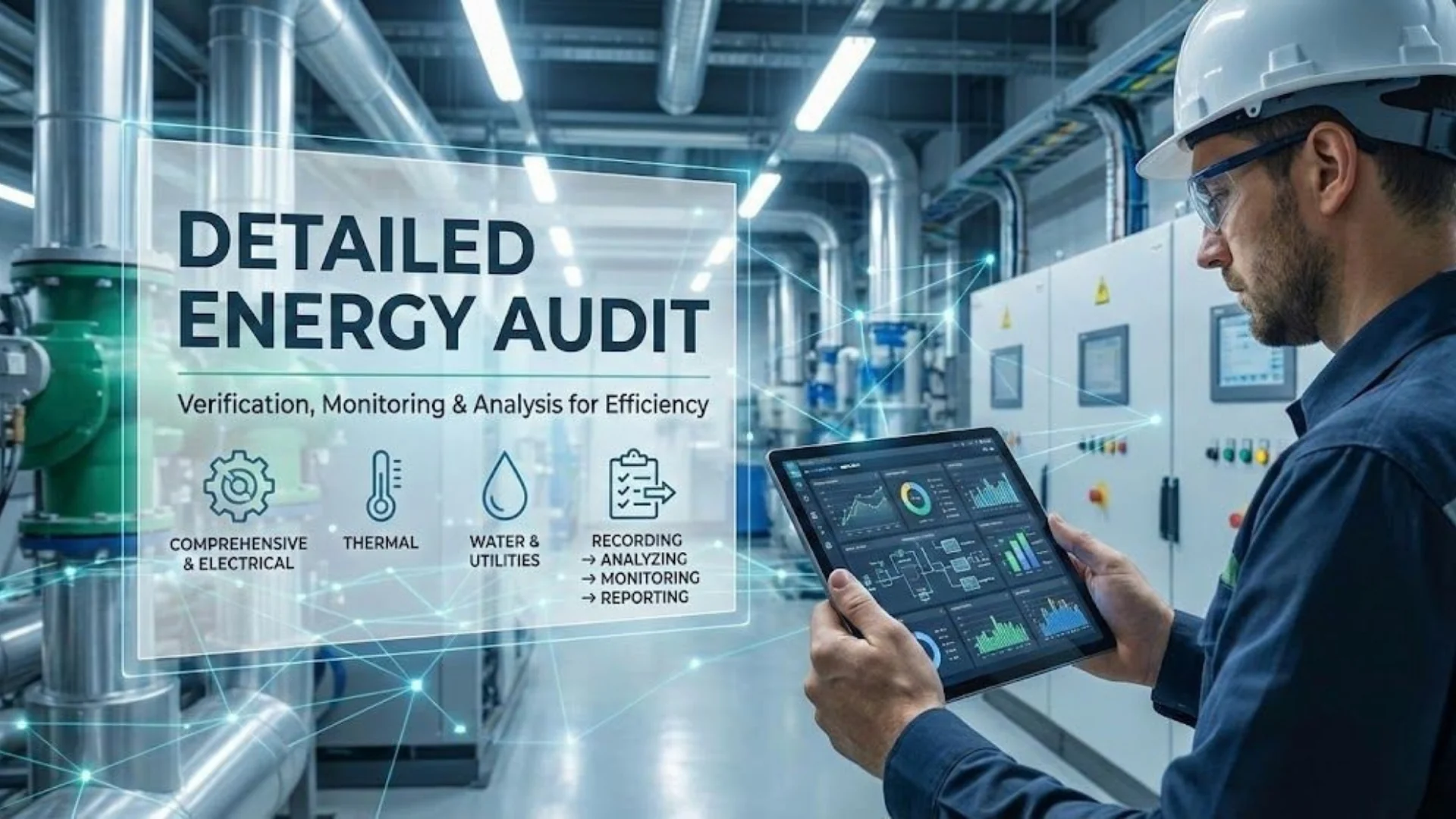
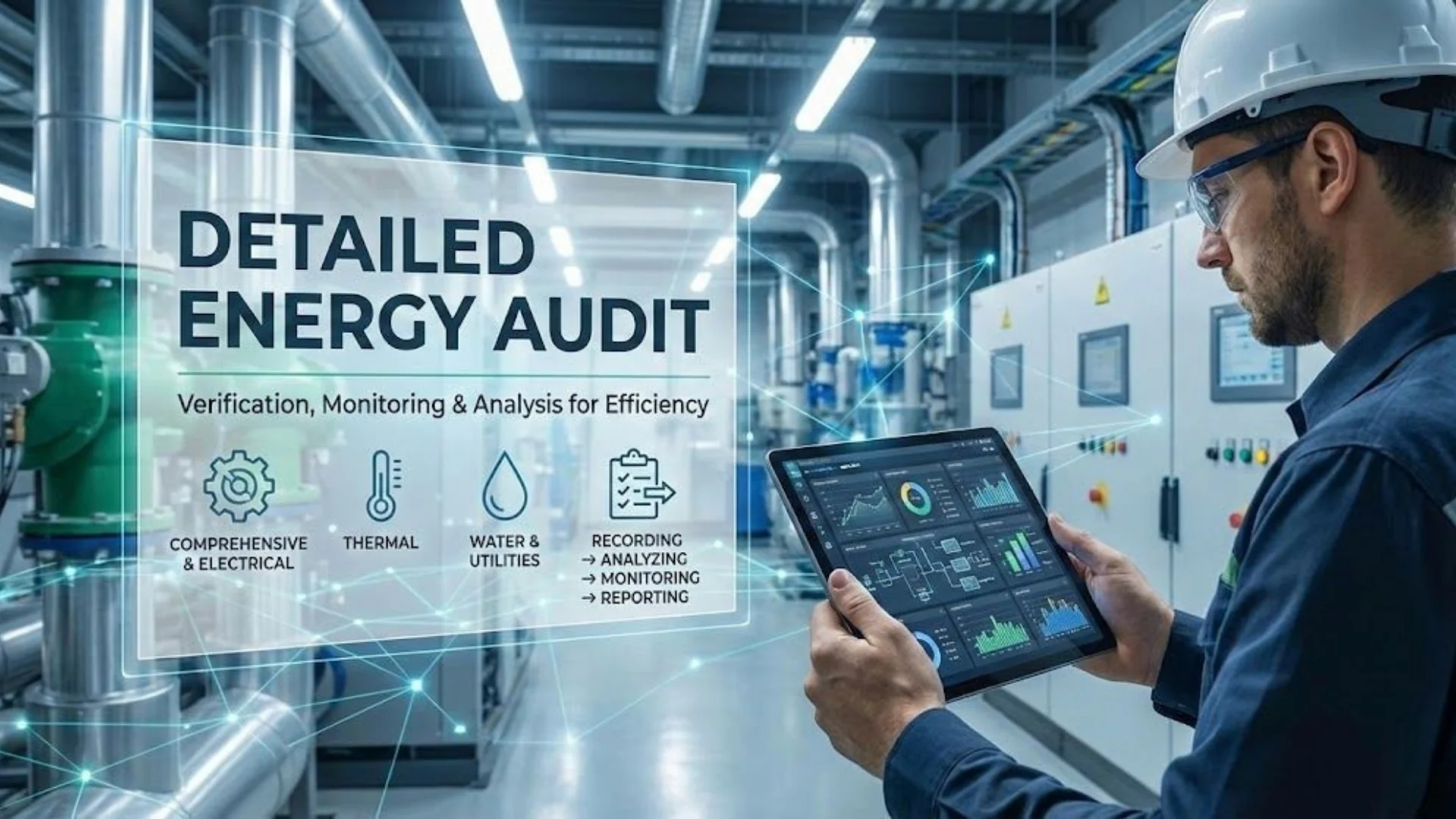
Energy Audit is defined as “the verification, monitoring and analysis of use of energy including submission of technical report containing recommendations for improving energy efficiency with cost benefit analysis and an action plan to reduce energy consumption”. It builds on the principle "you can't manage what you don't measure". It essentially combines the principles of energy use and statistics.

Energy conservation is the practice of reducing energy consumption through efficient energy management and the optimal use of resources. This can be achieved by using energy more efficiently to deliver the same level of performance or by minimizing unnecessary energy usage. At Limbaja Energy, we provide Energy Conservation Services in Gujarat for industries across Gujarat and India, offering energy-saving solutions, energy efficiency consulting, and industrial energy optimization services. Our expert team helps businesses reduce operating costs, improve equipment performance, and achieve long-term energy efficiency through practical and sustainable solutions.
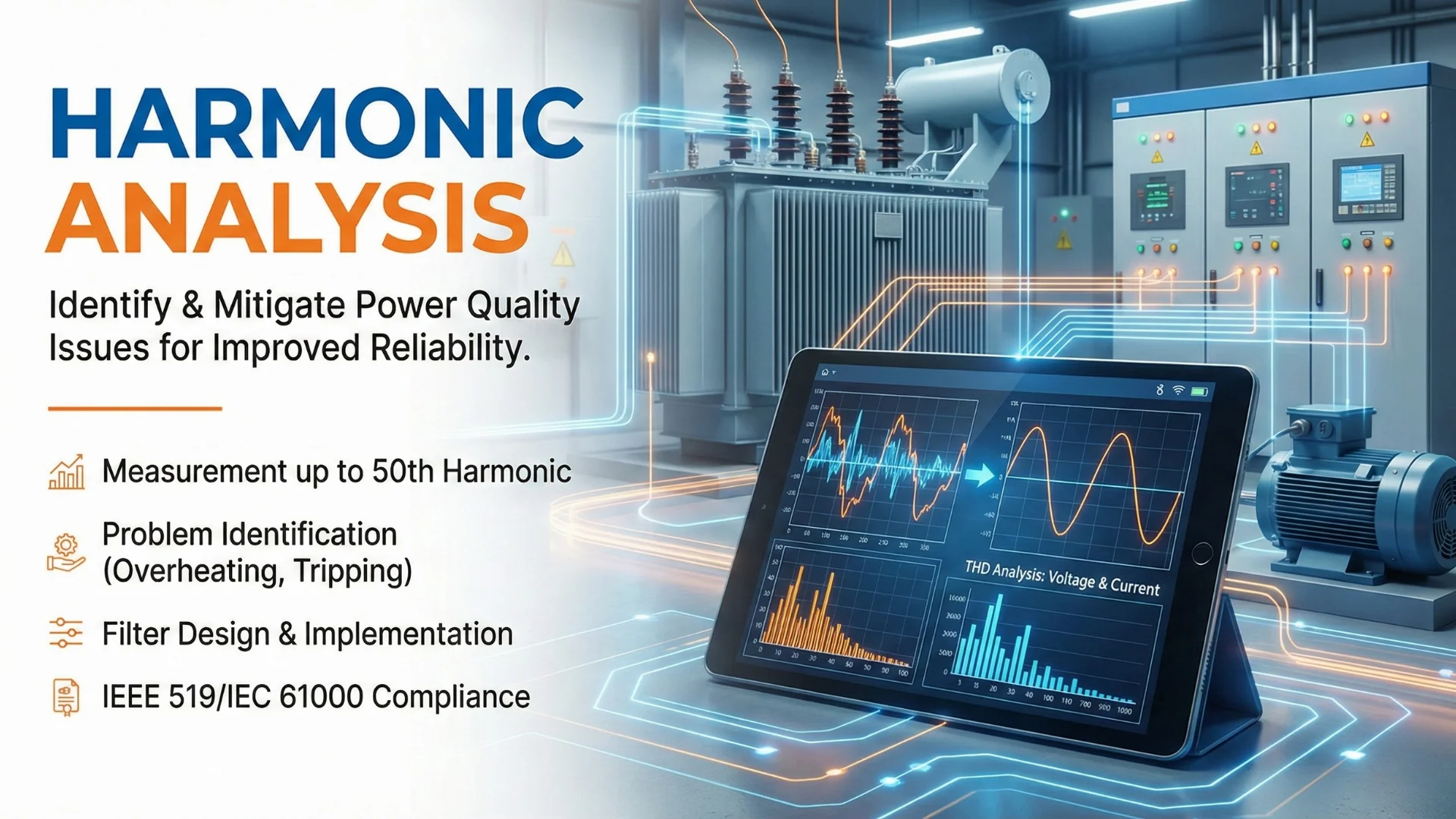
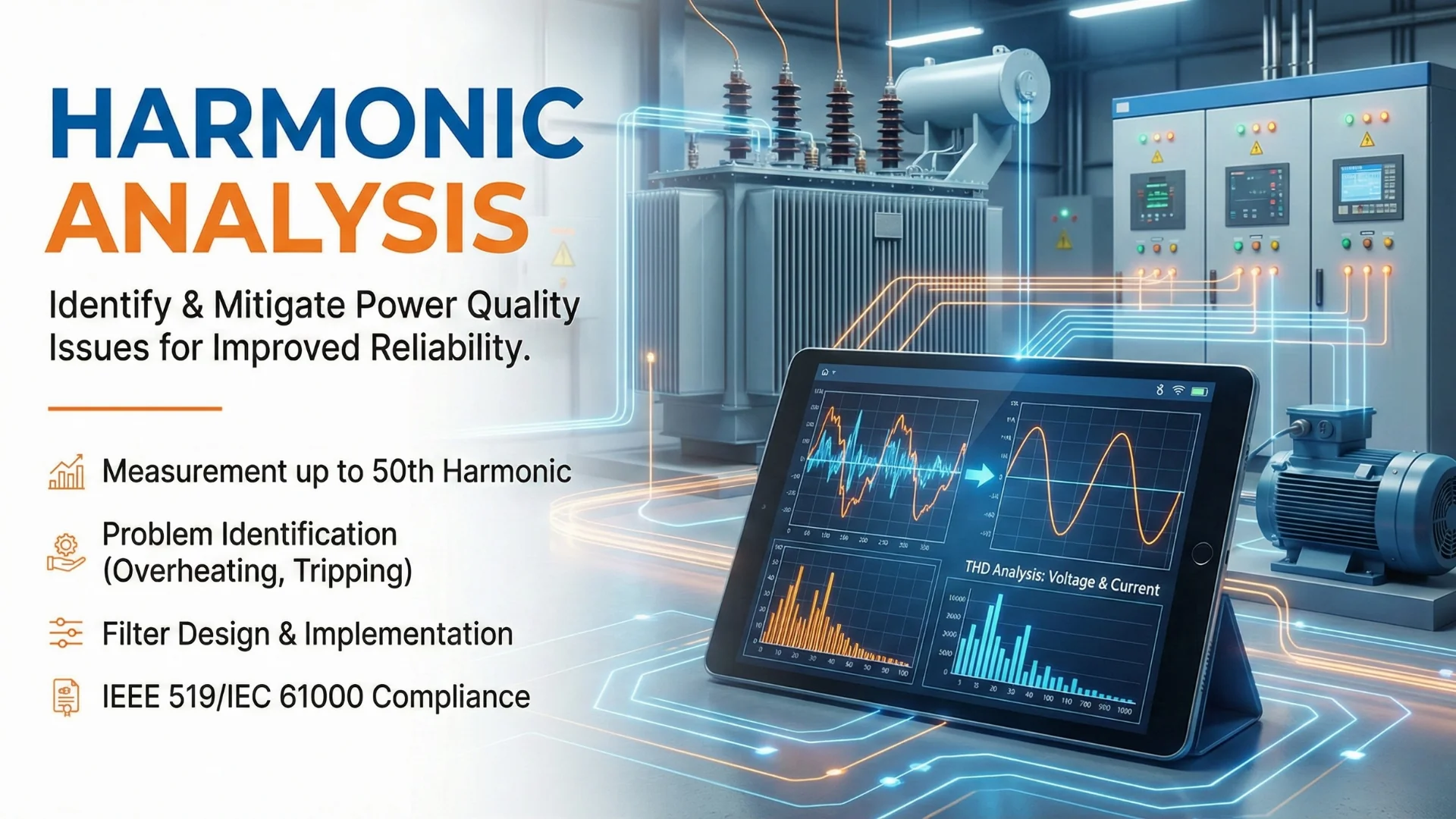
Harmonic analysis is a technique used to study and analyze the harmonic components in electrical power systems. It helps identify the presence and impact of harmonic currents and voltages, which are integer multiples of the fundamental frequency and are commonly generated by non-linear loads such as power electronics, variable speed drives, and certain lighting systems. At Limbaja Energy, we provide Harmonic Analysis Services in Gujarat for industries across Gujarat and India. Our Power Quality Analysis and Electrical Harmonic Study Services help identify harmonic distortion, improve power quality, protect sensitive equipment, and enhance the reliability and efficiency of electrical systems. We also recommend effective harmonic mitigation solutions to reduce power losses and ensure stable system performance.
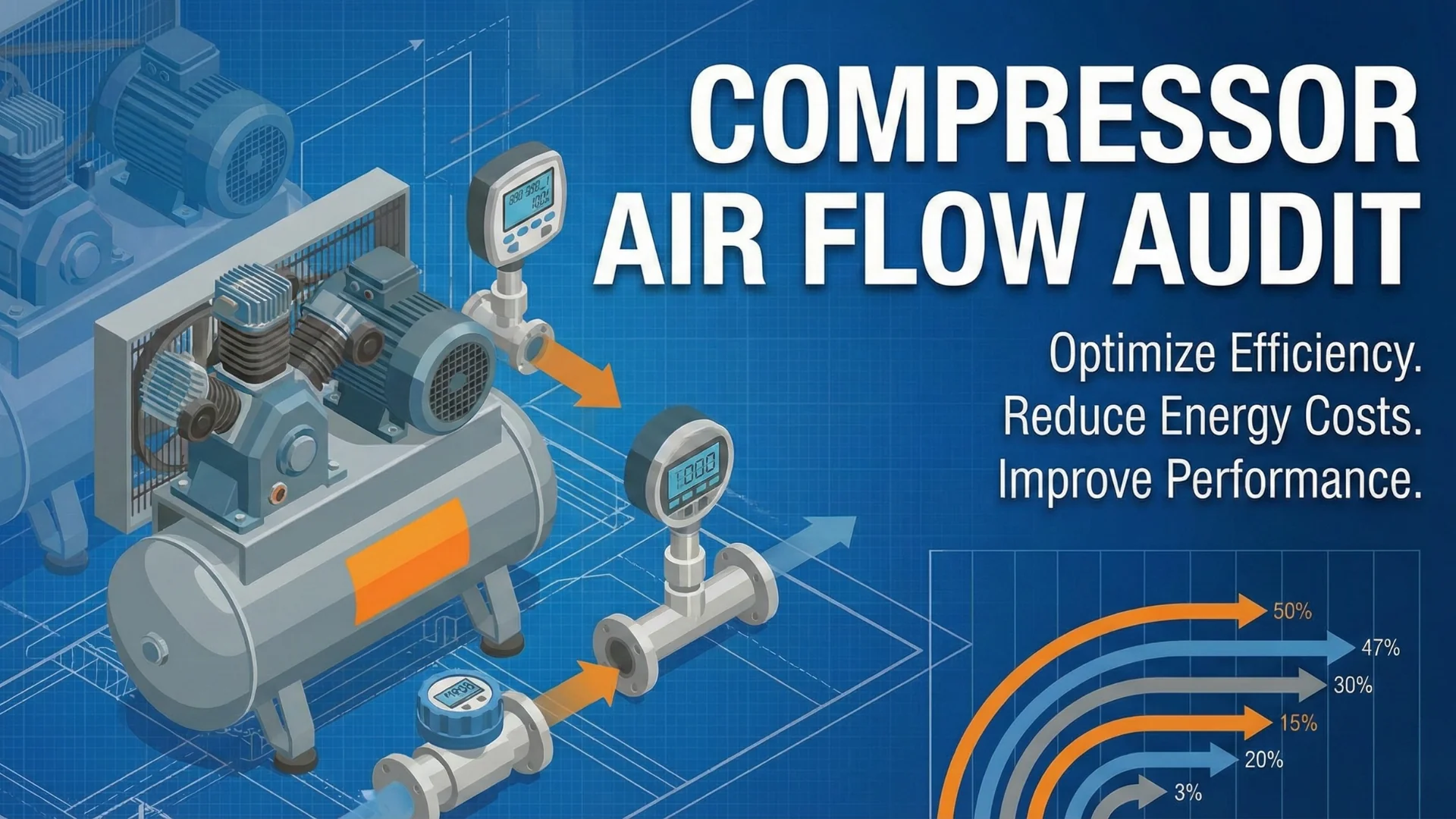
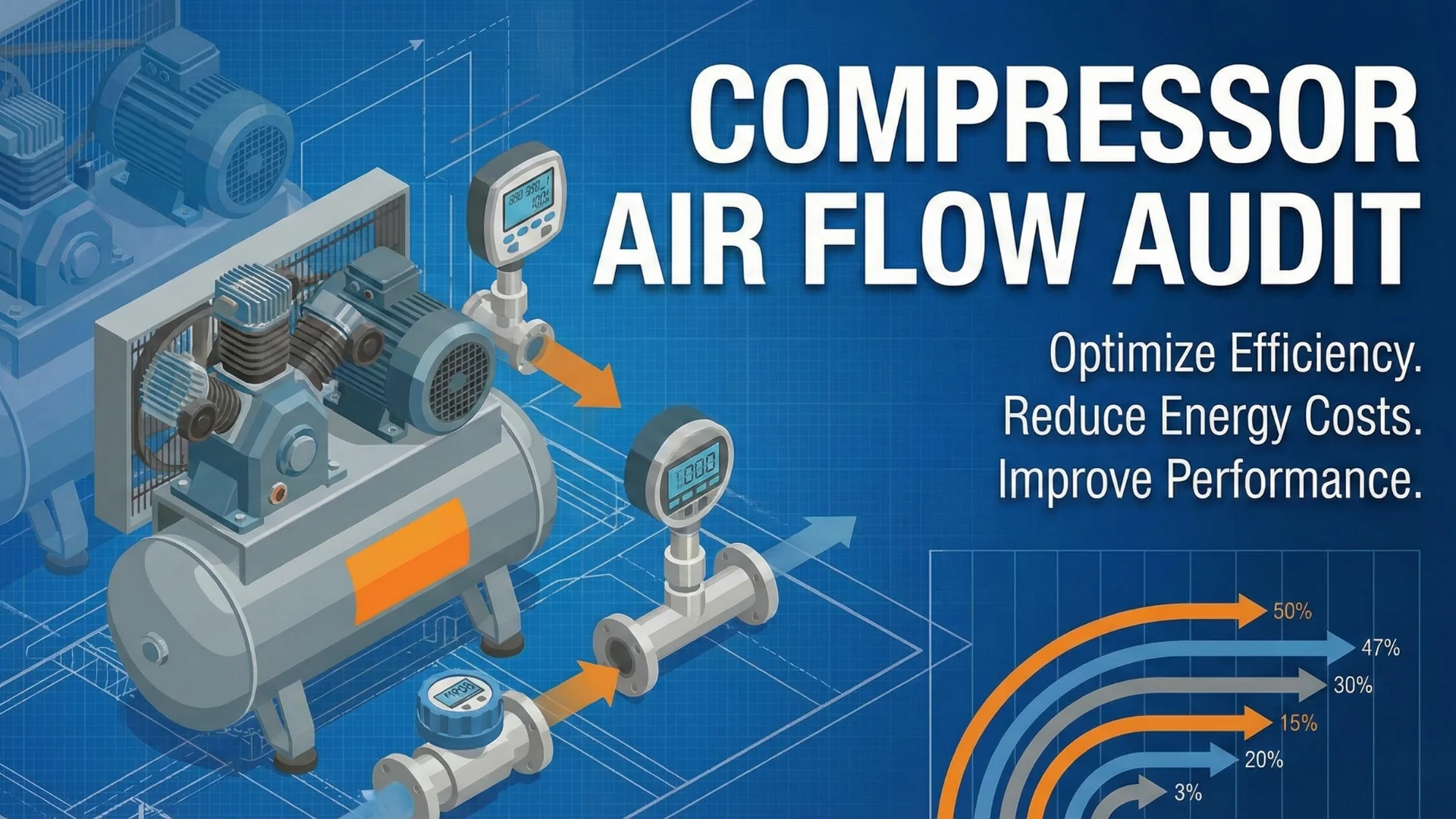
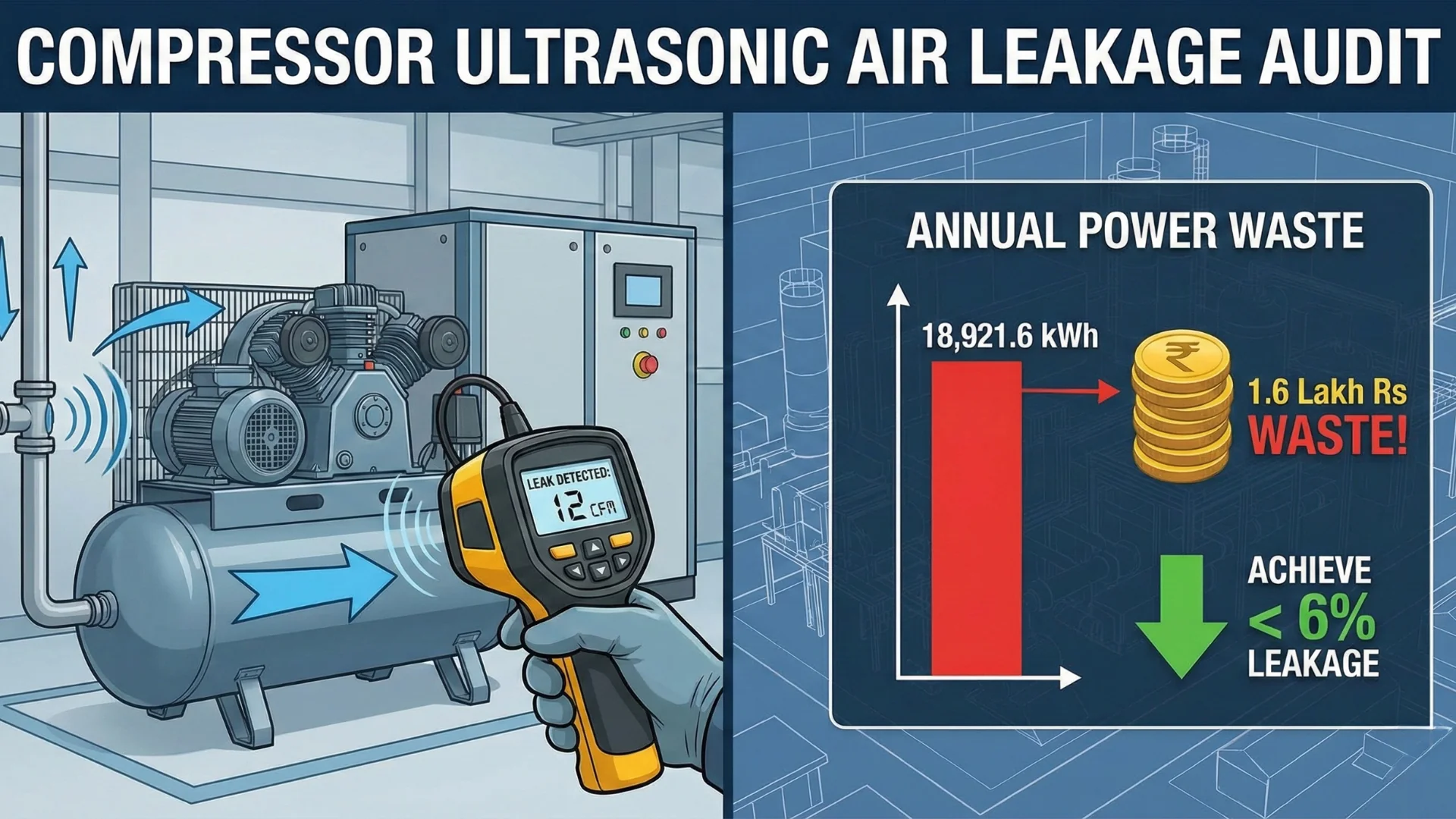
A compressed air audit helps identify system inefficiencies, reduce energy costs, and improve the overall performance of compressed air systems. Many industrial air compressors operate inefficiently due to air leaks, artificial demand, pressure losses, and incorrect operating pressures, resulting in unnecessary energy consumption and increased operating costs. At Limbaja Energy, we provide Compressor Audit Services in Gujarat for industries across Gujarat and India. Our Compressed Air Energy Audit Services include compressor efficiency assessments, performance analysis, and compressed air system optimization to identify energy-saving opportunities, improve system reliability, reduce power consumption, and maximize the efficiency of industrial compressed air systems.